Jingcan · Factory B2B

Artificial Christmas Tree Manufacturer for OEM and Wholesale

OEM and wholesale artificial Christmas trees, developed around your collection, destination market and agreed requirements for sampling and bulk production.

From foliage and tree shape to lighting and retail packaging, Jingcan helps brands, importers and wholesale buyers develop an agreed product for bulk production.

  • Christmas tree manufacturing since 2006, with Jingcan coordinating overseas communication and export cooperation.
  • Product development and assembly across green, snow-finished, decorative and tabletop tree directions.
  • A clear route from reference to order: review your requirements, confirm the sample and agree the production details.
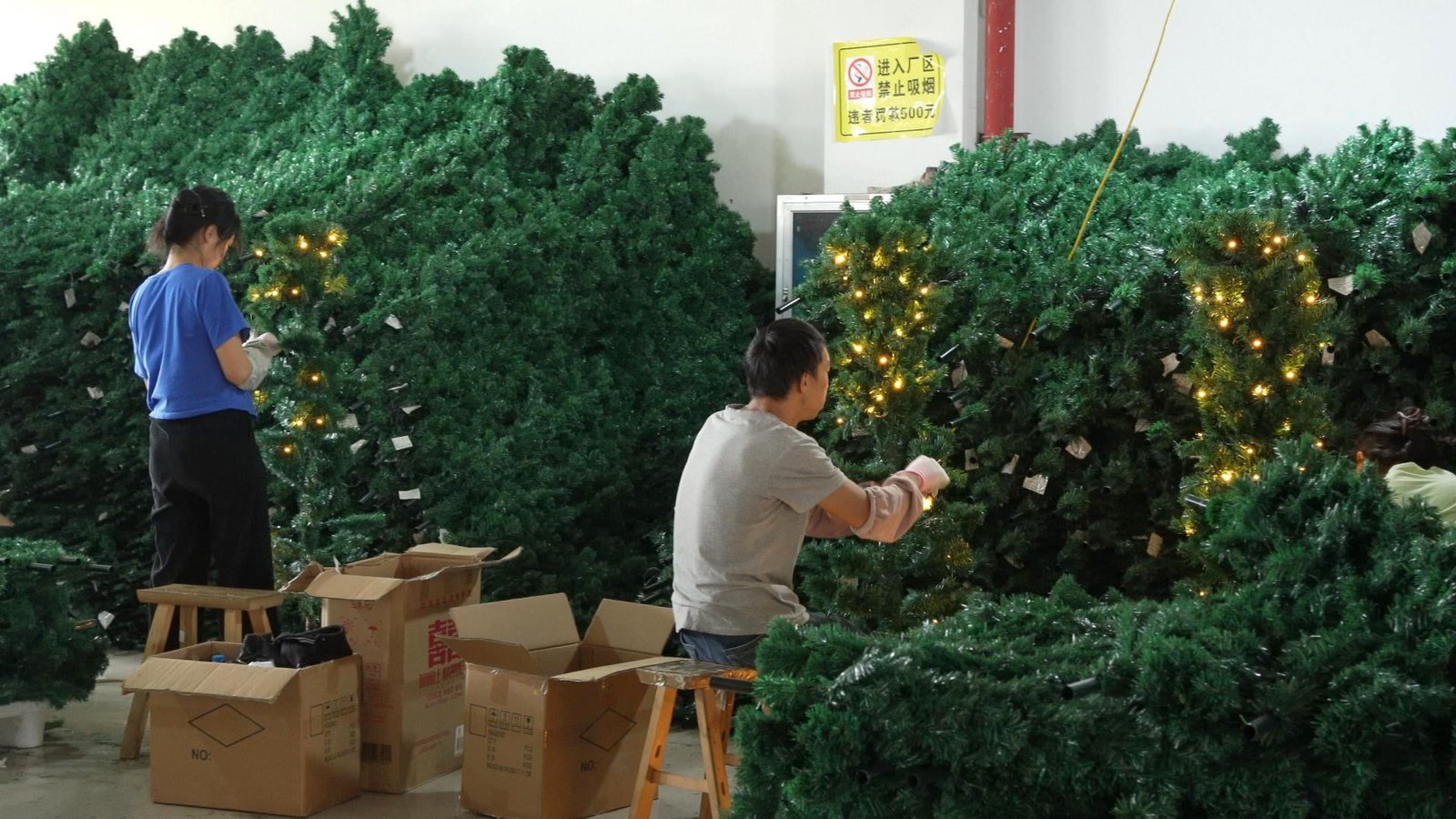
Branch assembly work inside a Jingcan production workshop
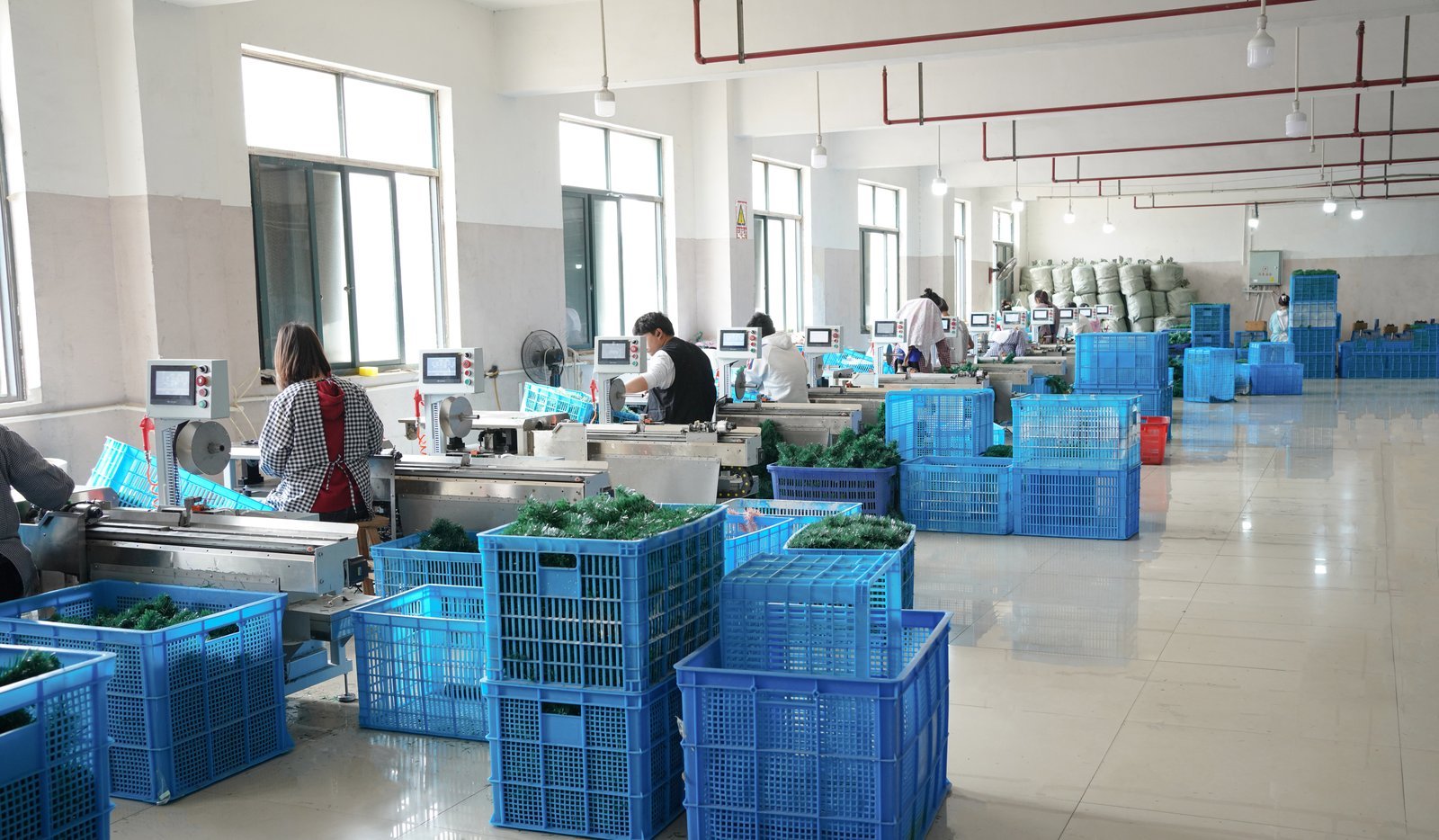
Inside the workshopWhere the branches take shape.Foliage preparation & branch assembly
Since 2006Manufacturing background
OEM / ODMProject-based development
Sample → BulkAgree the product before production
Trees & greeneryCoordinated seasonal ranges

Who we work with

A manufacturing partner for your kind of buying program

Different buyers need different starting points. Share the product and commercial context that matters to your team, and we can review a suitable route into sampling and production.

Private-label brands

Build a range with a consistent appearance, product specification and brand presentation. Start with a reference tree, your target customer and the features that distinguish the collection. Foliage, finish, lighting and packaging can then be reviewed together, so the approved sample reflects the product you intend to sell rather than a collection of separately selected details. Identify your intended selling channel and any essential packaging features when sharing the initial brief.

Bring: brand direction + product references

Importers & distributors

Compare products using a clear specification rather than a photograph alone. Share the destination market, quantity by model, size range and preferred lighting configuration. These inputs help identify the components, packaging and available documentation to review. A quotation becomes more useful when each supplier is responding to the same product and order assumptions. Highlight any mandatory buying specifications before comparing sample or bulk pricing.

Bring: target market + quantity breakdown

Wholesale buyers

Build an assortment around the tree styles and price positions your customers need. Green, snow-finished, colored and smaller trees can serve different parts of the range. Tell us the quantities for each model and configuration; mixed-model feasibility and minimum quantities are reviewed for the actual order, rather than assumed from the combined total. A short assortment list also helps distinguish priority products from optional collection additions.

Bring: assortment + quantities per model

Retail buying teams

Consider the customer experience as well as the display appearance. Tree dimensions, branch arrangement, assembly information, labels and the retail carton all influence how the product is presented and handled. Share your packaging and labeling requirements during product review, so they can be considered before the sample and commercial details are finalized. Include how the tree will be displayed and whether packing information needs buyer approval.

Bring: product brief + packaging requirements

Seasonal collection teams

Use a shared visual direction across trees, wreaths and garlands without assuming every item has identical materials or construction. Begin with the finish, color and decoration you want customers to recognize across the collection. Individual products still need their own dimensions, components, packing requirements and quantities before a coordinated range can be quoted. Provide separate reference images where the desired finish differs between trees and accompanying greenery.

Bring: collection direction + item list

Repeat-order programs

A repeat order should refer to an identifiable product and the changes requested for the next purchase. Share the previous specification or sample reference, the new quantity and any changes to lights, foliage, finish or packaging. This helps separate a straightforward repeat from a revised product that needs further review before production is arranged. Flag which earlier details must remain unchanged and which are open to a new proposal.

Bring: previous reference + requested changes

Product directions

Choose the tree range before refining the details

Explore six starting points for an artificial tree program. Images show product directions; final size, materials, finish, lighting and packaging are agreed for the selected model.

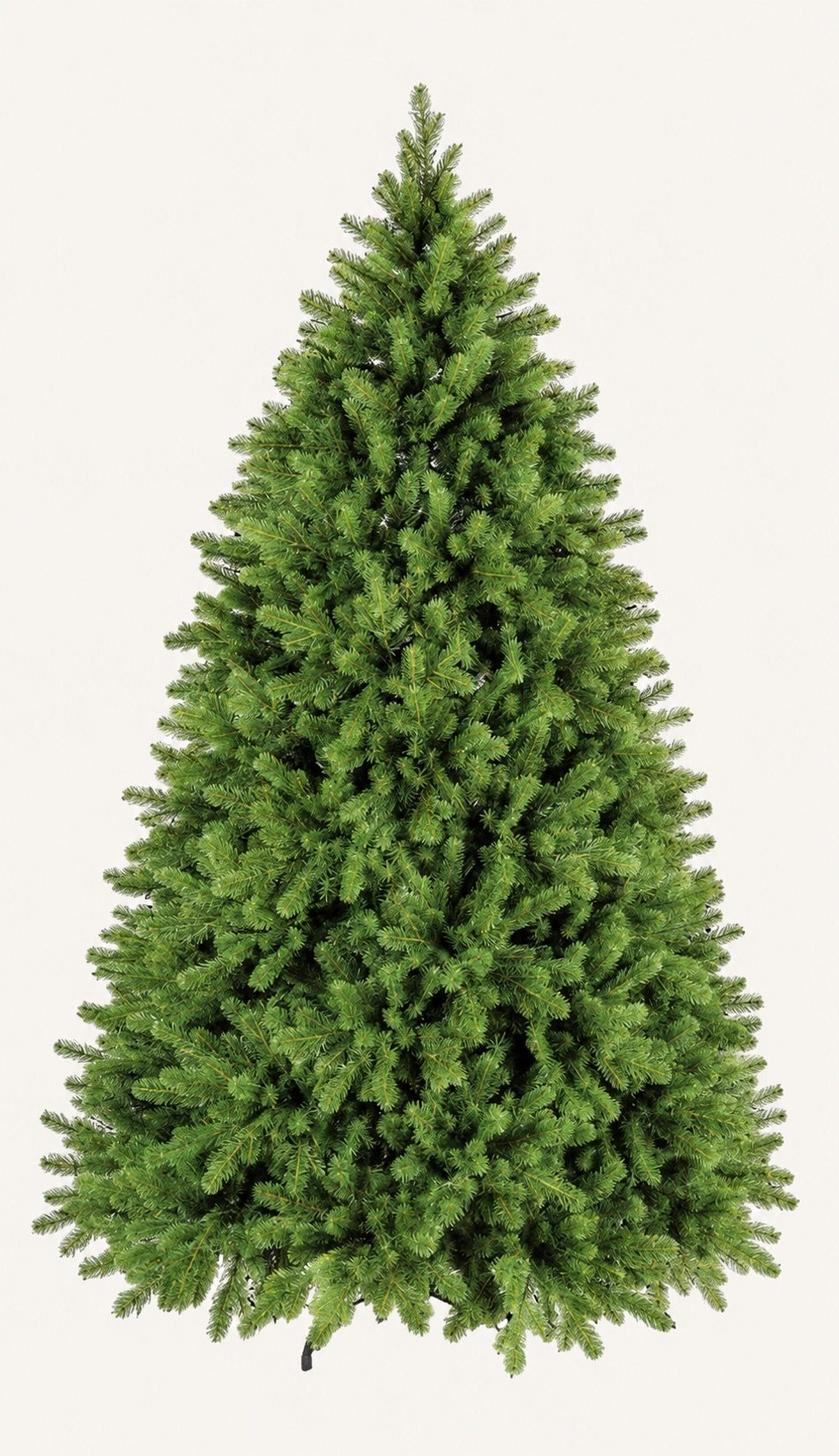
Green artificial Christmas tree with full foliage
Evergreen range

Classic Green Trees

A familiar foundation for a Christmas collection. Compare the silhouette, height, width and foliage arrangement before adding decorative or lighting options. A photograph helps establish the desired look; the selected sample and specification are needed to define the product for your order. Include a side view or dimension sketch if width is important for your retail display. Identify whether the reference shows an unlit or pre-lit configuration.

Review: shape · foliage · fullness
Snow-finished artificial tree product reference
Winter collection

Snow-Finished Trees

Create a winter appearance through the selected snow finish and foliage combination. Review both a full-tree view and a close-up sample, because surface coverage and the underlying branches influence the final effect. The finish should be agreed for the selected model rather than inferred from a distant photograph. Ask for the finish to be reviewed under consistent lighting, and explain whether your buying priority is light frosting or a more pronounced snow-covered appearance.

Review: coverage · texture · handling
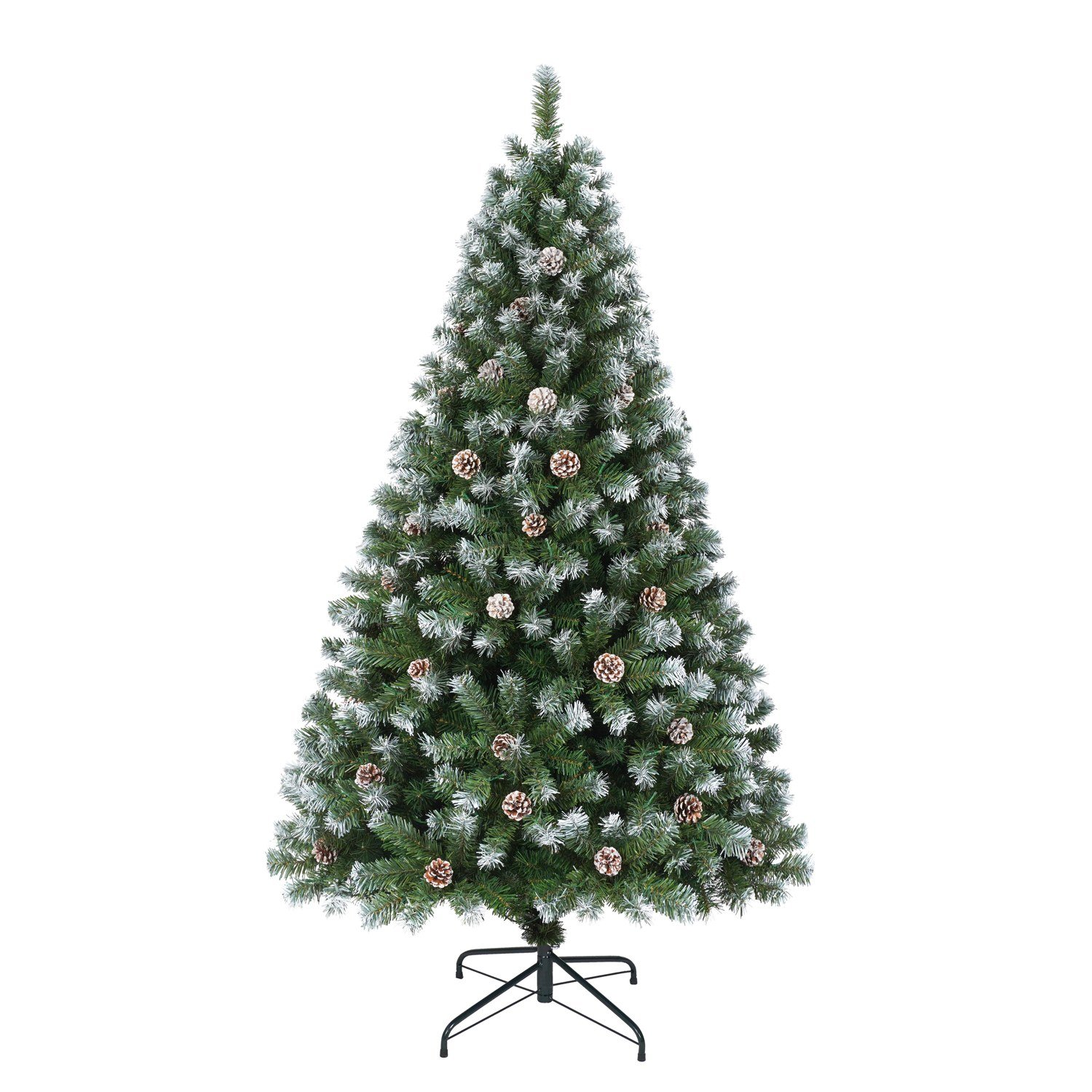
Frosted tree with white-tipped foliage and pinecones
White-tipped finish

Frosted Trees

A lighter white-tipped effect creates a different appearance from heavily flocked branches. This product reference shows frosted foliage with pinecones. Use a sample to agree the amount of white finish, decoration and overall balance, then confirm the configuration and quantity for the product you want to source. Include both the branch detail and the whole-tree reference in your brief so the white-tipped appearance is evaluated alongside the silhouette and the selected decorative elements.

Review: white tips · decoration · balance
Small tabletop tree with a wrapped base and decorations
Compact display

Tabletop & Mini Trees

Smaller trees can be considered for tables, counters and coordinated seasonal displays. Define the overall size, base style and decorative direction early; these details change both the appearance and packing requirements. The pictured tree is a product direction, with final dimensions and component choices confirmed for the selected model. Clarify whether the display is intended to be decorated or supplied as a simpler tree. Share your preferred base appearance and any retail carton requirements.

Review: size · base · decoration
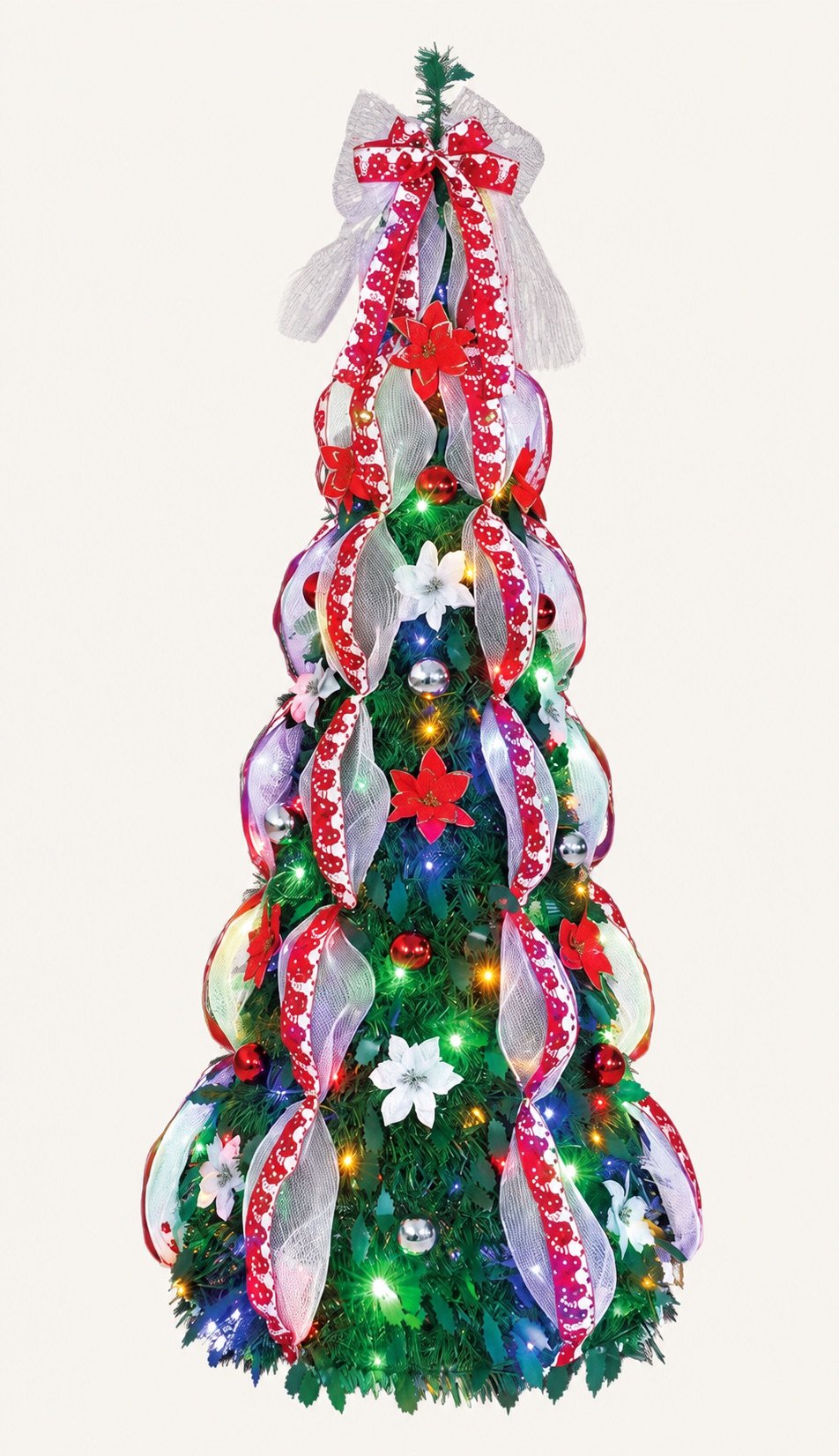
Decorated tree in the pop-up product range
Alternative structure

Pop-Up Trees

The pop-up product range offers another structure to discuss for your assortment. Review the displayed appearance together with the support, setup and storage requirements of the selected model. Do not judge the packed size or assembly method from the product image alone; include those questions in the sample review. Provide a reference for the intended display location and ask for a demonstration of the selected construction. Confirm the included support components when reviewing the sample.

Review: support · setup · packed size
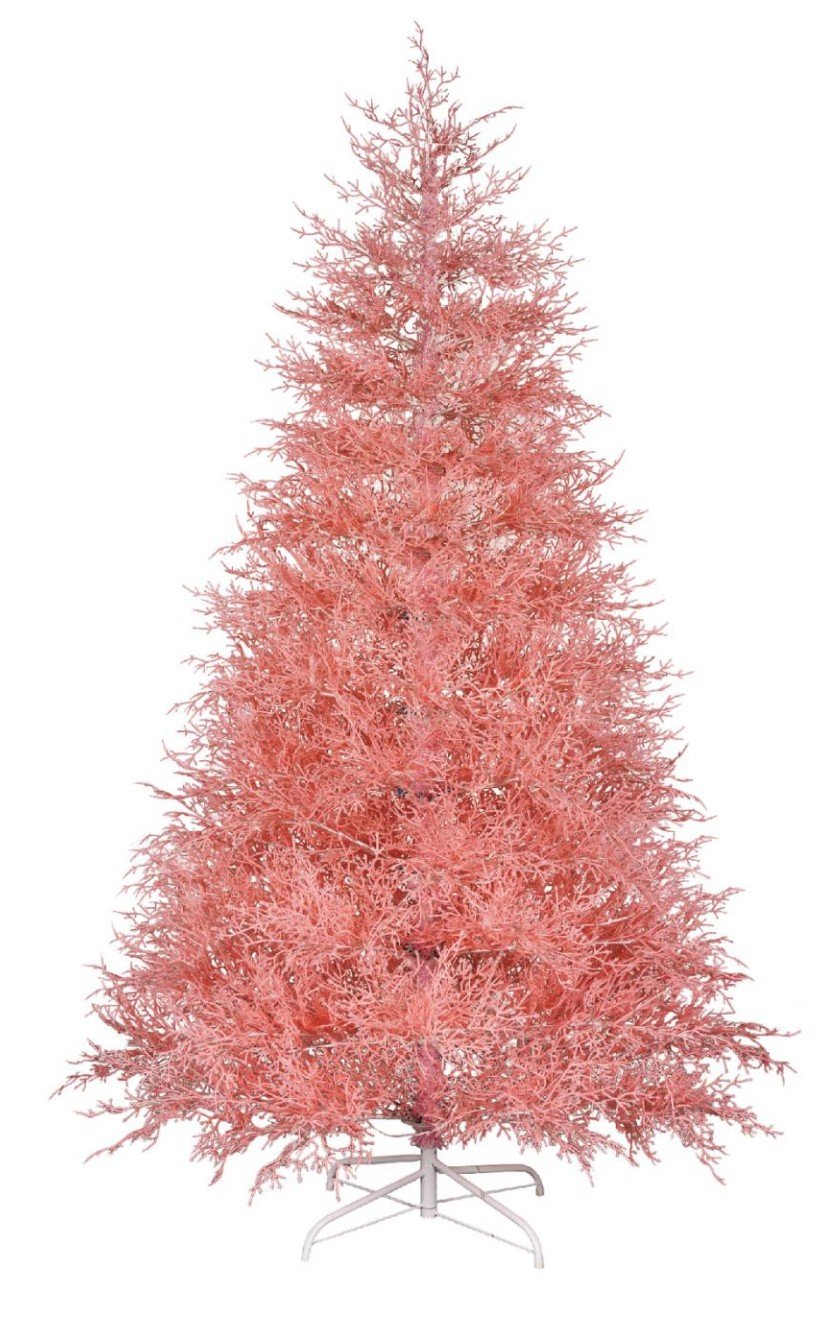
Pink artificial tree from the Jingcan product catalogue
Collection accents

Colored Trees

A colored tree can give a seasonal range a distinct visual direction. The catalogue reference shown here is pink; other requested colors and finishes need product review. Confirm the color reference, foliage construction and sample appearance together, particularly when coordinating trees with other items in a branded collection. Provide a physical color standard or a clearly identified reference where possible. Agree how the sample will be reviewed, since photographs and screens can display colors differently.

Review: color · foliage · coordination

Looking for a coordinated range? Wreaths and garlands can be discussed alongside your tree collection.

View All Products

A closer look

The details that a full-tree photograph cannot show

Compare foliage and finish at two scales: the full silhouette and the branch close-up. These are different product references, not before-and-after images of the same tree.

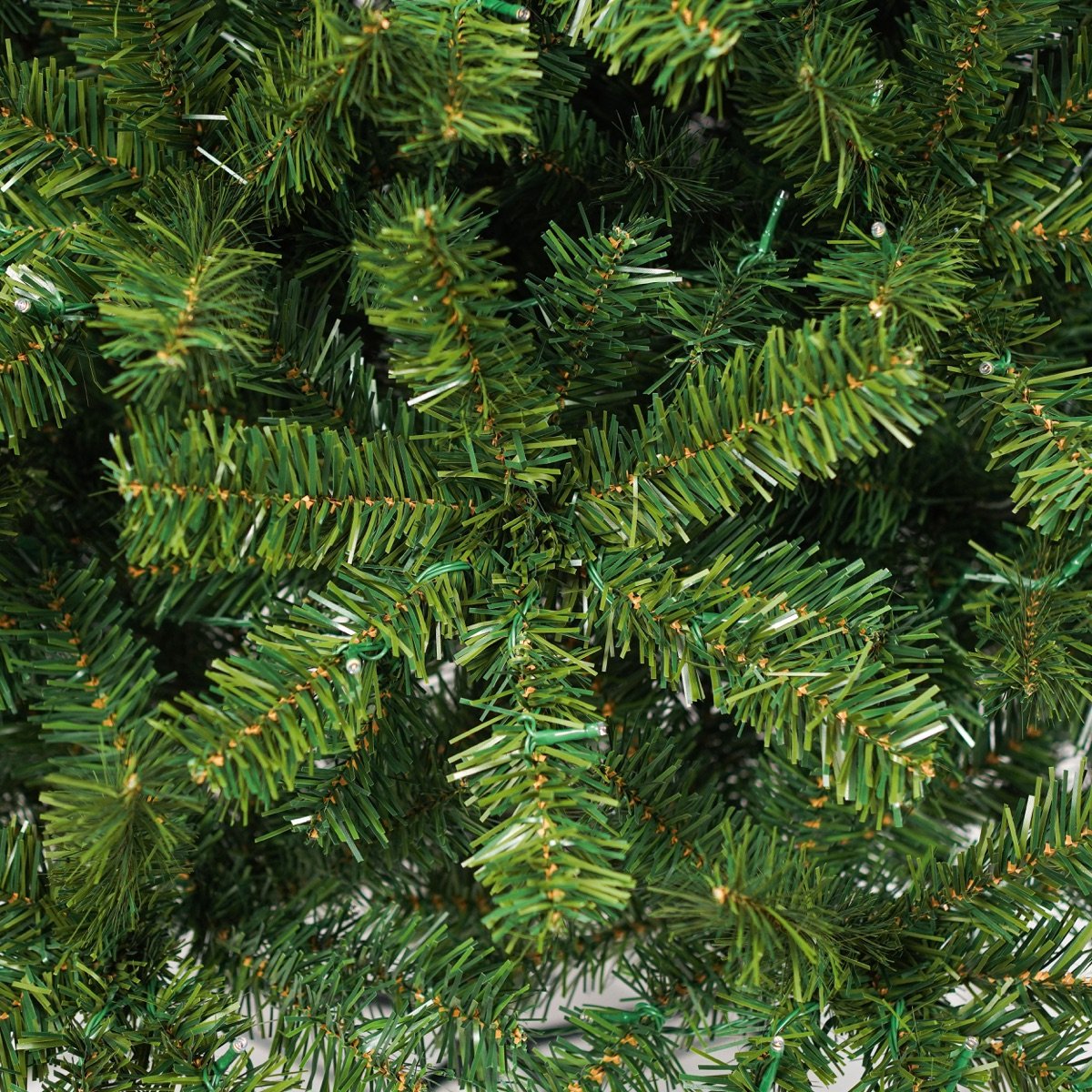
Close-up of green PVC foliage

Green PVC foliage

Look at the cut profile, color and density of the foliage rather than relying only on the full-tree silhouette. Branch arrangement and shaping influence the finished appearance too. Use this close-up as a product reference and agree the actual foliage specification on the sample selected for your order. When comparing alternatives, show the same viewing angle and include a full branch reference. This helps your team discuss visible fullness and shaping without confusing camera distance with a different product construction.

Close-up of flocked PVC foliage

Flocked PVC foliage

A snow finish changes the appearance of the underlying foliage. Review the texture and coverage in a close-up, then check how they look across the whole tree. Handling and packing should also be considered for the selected finish, without treating one reference photograph as a universal finish standard. Keep the material and finish references together when recording sample comments. If the snow appearance needs adjustment, specify whether the concern is the color, coverage or distribution across the branches of the selected tree.

Close-up of flocked PE and PVC mixed foliage

PE + PVC mixed foliage

A mixed-foliage construction combines different branch textures in one tree. Confirm which foliage is used and how it is arranged on the selected model. Compare the texture and shape of the visible tips with the inner foliage. Confirm the material mix and placement on your sample. Ask for the visible outer tips and inner foliage to be identified in the product discussion. This makes it easier to compare sample options and understand which material decisions contribute to the appearance you want.

OEM / ODM options

Turn a product reference into a clearer manufacturing brief

Choose a topic to see what should be decided together. You do not need a finished specification to start; undecided requirements can be identified during the first discussion.

Configuration / 01

Start with the silhouette your collection needs.

Height, overall width and branch arrangement should work together. A taller tree is not simply the same product enlarged; the support, section structure and carton may also change. Share a reference image with the intended dimensions, then review the actual configuration for the selected model. A useful brief distinguishes the space available for the displayed tree from the dimensions printed on a product label. If the tree is intended for a particular retail setting, explain any limits on its footprint or the way it needs to be assembled. Include your intended size range and quantities by size. During sample review, compare the shaped tree with the dimensional reference and record any changes to its profile. Confirm the selected stand and packing arrangement with that version of the product.

Discuss These Options
  1. 01

    Height & width

    Specify the overall height and widest diameter you want to review. Include your intended size range and identify any space limits that would affect the display footprint.

  2. 02

    Profile & fullness

    Use a reference image to identify the intended silhouette and visible fullness. Explain which features matter most, so shaping or camera angle does not become an assumed specification.

  3. 03

    Support & assembly

    Discuss the selected stand, section arrangement and assembly information with the product sample. Note any handling or packing requirements that may affect the construction you want to order.

Configuration / 02

Agree the close-up as well as the full-tree look.

Specify the foliage direction, color and desired snow or decorative finish. Where PE and PVC are combined, the arrangement and proportion should be discussed for the actual model. A sample is the place to confirm appearance; a catalogue image alone does not settle material composition or finish coverage. Choose reference images that show both the outer tips and the fuller body of the tree. Note which parts of each reference you want to retain, especially when combining a color, foliage texture and finish from different products. For a snow-finished range, distinguish white-tipped frosting from heavier flocking. Review the chosen combination on a physical sample before using it as the production reference. If appearance changes are requested, identify the affected materials and finish so the next sample discussion addresses the same version of the product.

Discuss These Options
  1. 01

    Foliage direction

    Identify PVC, a PE and PVC mix, or another configuration for review. Ask how the materials are arranged on the selected sample rather than assuming a composition from appearance alone.

  2. 02

    Color & surface

    Provide a color or finish reference and explain the desired effect. For snow finishes, distinguish lighter white-tipped frosting from heavier flocking and identify the coverage to review.

  3. 03

    Sample confirmation

    Review the full tree and close-up details under consistent viewing conditions. Keep comments tied to the sample version and clearly identify any changes needed before confirming its appearance.

Configuration / 03

Match the lighting configuration to the destination.

For a pre-lit tree, review the visual effect and the electrical configuration together. Tell us the target market, preferred light color and any required functions. The selected light set, power components and applicable documents need to correspond to the model and intended market rather than a generic claim across all trees. Include any market or channel requirements that your buying team already knows, and identify points needing further review. If you are comparing several tree sizes, state whether they should share the same visual lighting effect or need different arrangements. During sampling, check the operating functions and connections applicable to the selected version. Record the approved component references alongside the product specification. This keeps a lighting change visible when the tree, packaging or sample is revised, instead of allowing an earlier assumption to carry into the order.

Discuss These Options
  1. 01

    Visual effect

    Describe the light color, distribution and functions you would like to review. Use a reference to explain the appearance, then confirm how it works on the selected tree.

  2. 02

    Market requirements

    Identify the destination market and any known buying requirements before settling the lighting configuration. Keep the light set, power components and relevant product information in the same discussion.

  3. 03

    Model-specific evidence

    Request available documents for the components and model being reviewed. Compare their identifiers and scope with the proposed configuration, and raise any missing evidence before confirming the order.

Configuration / 04

Plan the information that travels with the tree.

Private-label presentation can include labels, hangtags, instructions, barcodes and cartons. Provide your artwork and packing requirements before the order details are finalized. The packaging needs to accommodate the selected tree, components and handling route, with final carton specifications confirmed for the actual configuration. Start by identifying which materials the buyer will supply and which items need discussion with the factory. Different markets may require different language versions or product information, so provide the intended destination and the wording your team has approved. If you are developing several sizes, keep model identifiers and carton marks distinct. Review the packaging artwork against the final product details, including the selected lighting where applicable. Record unresolved artwork or packing questions before confirming the order so that presentation decisions remain connected to the actual product.

Discuss These Options
  1. 01

    Brand assets

    Supply authorized logos and artwork with a clear version reference. Identify who will approve the layout and note any elements that must stay consistent across the product collection.

  2. 02

    Product information

    Confirm the model names, labels, instructions and barcodes required for each item. Share approved language versions where needed, and check that the information matches the selected product configuration.

  3. 03

    Carton requirements

    Explain how the product will be packed and handled through your sales channel. Review carton marks, included components and dimensions against the actual tree before confirming the packing reference.

Inside manufacturing

Connect the finished appearance with the work behind it

Manufacturing decisions become visible in the details: foliage coverage, finish, lighting and the way the product is assembled. Review the relevant process for your selected tree.

Snow-finished artificial tree in the factory flocking work area
Snow finish applied to a selected tree configuration

01 / Foliage & finish

Define the finish before comparing the price.

A full-tree photograph can establish the visual direction, but it does not define every production detail. Foliage selection, the underlying branch arrangement and the amount of snow finish all contribute to the final appearance. Two trees with similar outlines can therefore require different materials and manufacturing work.

Begin with the reference. Share the overall look you want and any branch close-ups available. If your brief combines features from several products, identify which details matter most instead of treating the images as one complete specification.

Review the sample. Look at the whole tree and individual branches. Agree the finish, color, visible foliage and decorative elements for the selected model. A frosted tip and a heavier flocked surface should not be treated as interchangeable descriptions.

Carry the decision forward. Connect the agreed appearance to the product and packing information used for the order. Changes to materials or finish should be reviewed before the sample reference and commercial details are considered final.

This gives your buying team a more useful basis for evaluating a quotation: the product that has actually been discussed, together with its selected configuration and quantity.

Keep photographs and comments tied to the same sample version. When your team requests a change, identify which part of the earlier reference remains approved and which detail needs another review.

Workers fitting lights to artificial Christmas trees
Fitting the agreed lighting configuration to the tree

02 / Lighting & assembly

Develop a pre-lit tree as one complete product.

Adding lights changes more than the appearance of an unlit tree. The selected light set must work with the tree structure, the way branches are arranged and the product requirements for the destination market. These decisions are best reviewed together during product development.

Describe the intended effect. Tell us your preferred light color, distribution and required functions. A reference image can communicate the mood, while a sample helps confirm how the effect looks on the selected tree.

Confirm the configuration. Review the power components, connections and assembly information applicable to the model. Market-specific requirements should be raised before the lighting specification is settled, rather than after the order has been quoted.

Review relevant evidence. Available documents need to correspond to the actual light set, components and scope. For your market review, request documents for the selected light set and power components. Their model numbers and scope should match the configuration being ordered.

Jingcan’s manufacturing scope includes light installation and trial lighting. The agreed product specification remains the reference for discussing the checks, packaging and information needed for your particular order.

If the lighting specification changes after sample review, identify the affected components and update the product reference. Your buying team can then check the revised version against the appearance and operating requirements it originally requested.

Need a closer look at the manufacturing process? Share the tree style and the operations your team wants to understand. We can discuss a factory or video review relevant to your product and sourcing questions.

Discuss Factory Review

Scope & responsibilities

Know what is manufactured and what needs project review

Connect your product requirements with the manufacturing scope, review checkpoints and commercial inputs. This matrix helps your team identify what to confirm before evaluating an artificial Christmas tree order.

Product requirementJingcan manufacturing scopeReview checkpointsCommercial input
Foliage preparationPVC processing and branch assembly are part of the manufacturing scope.Confirm the foliage type, arrangement and agreed appearance.Desired foliage, selected configuration and quantity by model for quotation review.
Tree constructionTree-body assembly and hinged construction are part of the current product scope.Review height, width, sections, support and assembly requirements.Size range, quantities and packing requirements for each selected tree construction.
Snow & decorationSnow finishing and decorative details can be discussed for the selected model.Use sample references to agree finish and decoration; assess special requests separately.Finish complexity, decorative choices and quantities; confirm the applicable MOQ for the configuration.
Pre-lit configurationLight installation and trial lighting are included in the manufacturing scope.Confirm destination requirements and the selected lighting components.Destination market, component choices and quantities for the proposed pre-lit model.
Inspection & packingProduct checks, packing and order coordination form part of the production process.Agree the check points, labels, packing arrangement and order requirements.Artwork, packing requirements and requested delivery window for the actual order.

Special tooling, unusual electronics or performance requirements need separate feasibility review.

Review Manufacturing Fit

From reference to production

Six handovers that keep your tree project moving

Each stage should resolve a different question. Keep the product reference, comments and order information connected as the project moves from initial discussion into production and shipment.

01

Define the brief

Share a product reference, intended market, target dimensions and quantity. Identify the features that matter most and anything still undecided. This gives the first discussion a clear direction without asking you to prepare a complete engineering specification before contacting the factory.

Input
Product references, destination market, intended dimensions and quantities, with undecided requirements clearly identified.
Output
A shared product direction and a list of requirements needing further review before sampling.
02

Review the options

Discuss foliage, construction, finish, lighting and packaging together. Identify which requirements are available for the selected product and which need further assessment. Confirm the assumptions behind the sample or quotation so that different versions are not being compared as if they were identical.

Input
The initial brief together with preferred foliage, construction, finish, lighting and packaging options.
Output
An agreed sample direction with configuration assumptions and feasibility questions made visible to both teams.
03

Develop the sample

Use the agreed direction to coordinate the sample. Review the physical product, dimensions, appearance and relevant components. The sample should answer the important product questions for the order; a first sample does not automatically confirm every later change or every related model.

Input
The reviewed product direction, required sample features and the questions the sample should resolve.
Output
A physical sample reference with recorded observations, identified changes or an agreed route to approval.
04

Confirm revisions

Collect changes into a clear list referring to the sample or product version being reviewed. Separate appearance, construction, lighting and packaging comments where useful. Reconfirm the affected details before moving ahead, especially when a change also affects price, quantity or the production schedule.

Input
Consolidated comments identifying the sample version and the appearance or specification changes requested.
Output
An agreed sample reference with affected product details and commercial assumptions checked before proceeding.
05

Agree the order

Connect the selected product to quantities by model, commercial terms, packaging and the delivery plan. Make unresolved requirements visible before production is arranged. The final agreement should reflect the product being ordered, rather than relying only on an early catalogue image or initial price discussion.

Input
The selected product specification, quantities by model, packaging requirements and proposed commercial terms.
Output
Confirmed order information and the production arrangement agreed for the actual product and quantities.
06

Review before shipment

Use the agreed product and order information to discuss the relevant inspection, packing and shipment requirements. Product identification, labels and carton details should correspond to the actual order. International transportation and arrival planning need to be distinguished from the factory production schedule.

Input
The agreed product, packing and order information, including inspection requirements and shipment planning inputs.
Output
A review of readiness against the order requirements and the next shipment coordination steps.

Quality checkpoints

Review the product at the points that matter to buyers

Quality discussions are more useful when they refer to the selected tree and its agreed requirements. These six areas provide a starting checklist for your product and order review.

Appearance & foliage

Compare the finished tree with the selected sample, including silhouette, visible foliage, finish and decorative arrangement. A tree that looks similar from a distance can still differ in the details your customer notices. Identify the appearance points that matter to your range and include them in the product discussion before production. Use clear photographs and written comments to record any differences that require a sample adjustment.

Reference: agreed sample

Dimensions & structure

Review the dimensions and construction that define the selected tree. Height, width, section arrangement, stand and connections should be considered together with the assembly requirements. Specify the measurements and acceptance requirements needed for the order rather than assuming that a nominal size label explains the complete product. Confirm how the chosen measurements will be taken and list any dimensions important to your sales channel.

Reference: model specification

Lighting configuration

For a pre-lit model, review the agreed light set, visual effect, connections and relevant operating checks. Keep the destination market and selected power components connected to that review. A successful demonstration on one sample does not replace the product-specific requirements or evidence that your buying team needs for the order. List the operating functions your sample review needs to cover, together with the selected component references.

Reference: lighting specification

Assembly & handling

Consider how the tree will be assembled, shaped, handled and packed by the customer. Review the relevant sections, support and instructions with the actual product. Review the assembly steps, shaping needed after unpacking and the intended storage arrangement with the sample. Record any handling or protection requirements for the selected model. Include any buyer-specific instructions that must accompany the product and identify where additional clarification is needed.

Reference: product + instructions

Labels & identification

Check the product labels, barcodes, instructions and carton marks against the agreed artwork and model information. Similar-looking trees can have different sizes, lighting or finishes, so identification needs to match the actual order. Customer artwork and brand assets should be approved before they become production references. Keep an approved reference for each model so that similar packaging designs do not obscure product differences.

Reference: approved artwork

Packing & carton details

Review the selected tree and included components against the agreed packing arrangement. Confirm labels, cartons and quantities for the applicable model or SKU. If your channel requires a specific packaging test or report, include that requirement in the project brief so the method and documentation can be agreed. Identify whether the carton serves as retail packaging, shipping packaging or both before agreeing its requirements.

Reference: packing requirements
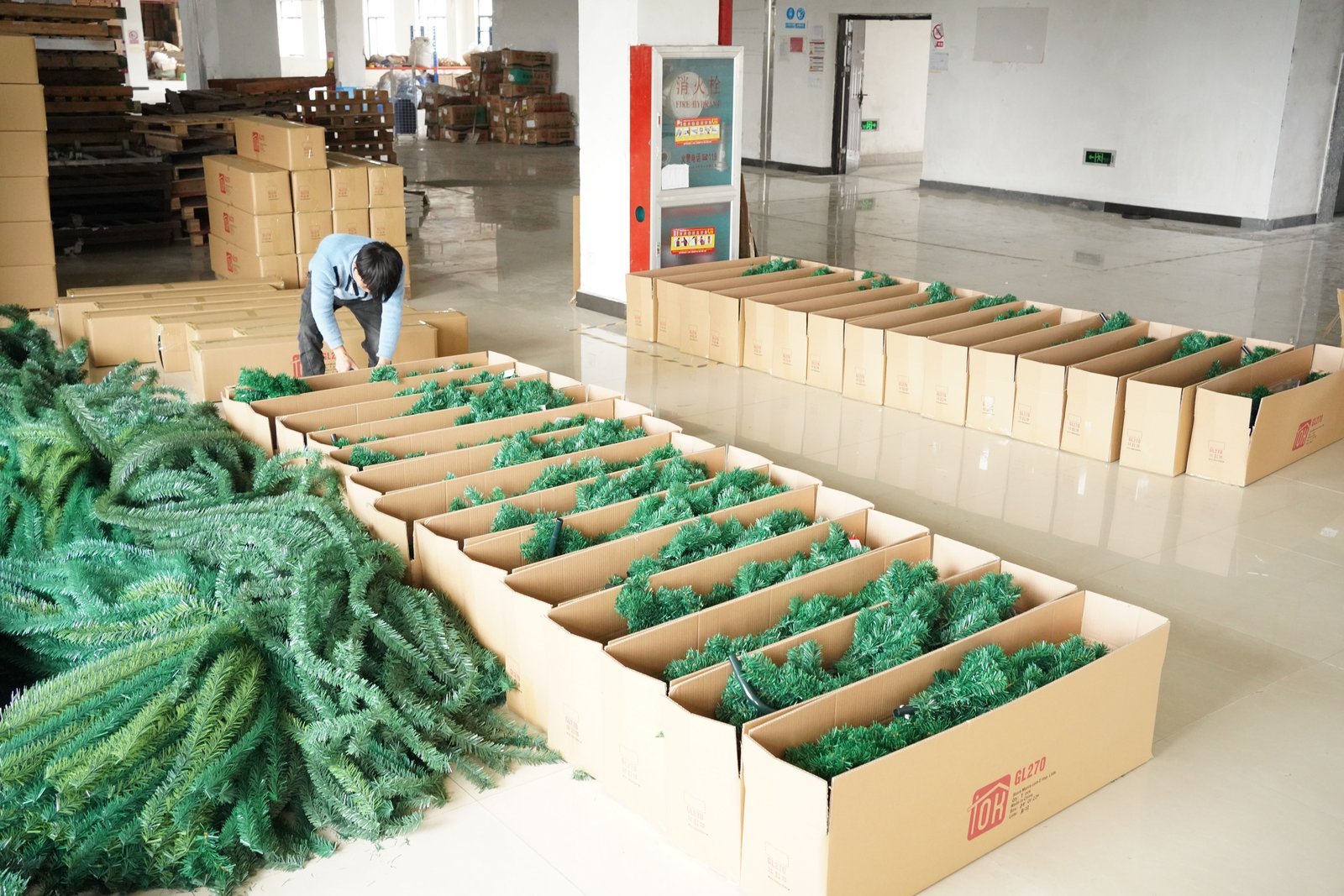
Packing artificial Christmas trees in the workshop
Preparing the selected tree and components for packing

Beyond the tree

Plan how your product will arrive and be presented

Packaging is part of the product discussion. Bring your retail, wholesale or private-label requirements into the brief before dimensions, artwork and commercial details are finalized.

Keep the packing reference connected to the product you approve.

Retail presentation. Discuss the box appearance, product information, assembly instructions and identification your customer will see. Share authorized artwork and any required language or barcode information for the selected product. If the tree will be sold in more than one size or configuration, keep those differences visible in the packaging reference so the buyer can identify what is inside.

Wholesale handling. Confirm the model and size identification, carton marks, packing arrangement and shipment requirements. Final carton details need to correspond to the actual tree and included components. Tell us about the handling route and any packaging review or testing requirement your channel has specified. Those requirements need to be considered for the current order, rather than carried over from a different product.

Private-label details. Labels, hangtags and instructions should use approved brand assets and current product information. Identify who will provide and approve the artwork, and keep a version reference for each model. Review product changes and packaging changes together. A different light set, size or decorative finish may also affect the information needed on the carton or instructions. Agree the final packing reference once the relevant product details have been settled. Keep this version available when discussing repeat orders or changes to the collection.

Discuss Packaging

MOQ, sampling & planning

Set workable order expectations before making a production decision

Use these starting points to prepare the commercial discussion. The selected product, configuration and order requirements determine the quotation and the conditions confirmed for your project.

TopicStarting pointWhat needs confirmation
Minimum quantitiesSimple-process artificial trees typically start from 100 trees; more complex processes typically start from 500.The applicable MOQ is reviewed against the selected construction, finish, lighting and customization requirements.
Mixed modelsProvide quantities separately for each model, size and configuration.Mixed-order arrangements and whether quantities can be combined need project review.
SamplesSample cost and arrangements are confirmed for the selected product.Confirm the sample fee and shipping arrangement in the sample quotation.
Production planningDiscuss the requested delivery window together with product readiness and quantities.Production timing is confirmed for the project. Factory completion and overseas arrival are different milestones.
Quotation basisTree configuration, lighting, finish, branding, packaging and quantity affect the quotation.Use the same specification when comparing offers and identify any open requirements.

Before your first inquiry

Frequently asked questions

Answers to common sourcing questions about manufacturing scope, sample development, quantities, lighting and packaging. Use them to prepare your first discussion, then confirm the details for your selected tree and market.

Have a product-specific question?

Ask Our Team
Is Jingcan a manufacturer or a trading company?

Jingcan is a factory-based B2B supplier of artificial Christmas trees, wreaths and garlands. Our manufacturing business began in 2006, while the current sales company was registered in 2017. Jingcan handles overseas communication, quotations and export cooperation with two production sites under the same management.

Which manufacturing steps does Jingcan handle?

Manufacturing operations include PVC processing, branch and tree assembly, snow finishing, light installation and trial lighting, checks and packing. The relevant steps depend on the selected tree and configuration. Share your product requirements so we can discuss the manufacturing process for your project.

Can you develop a tree from a reference image?

A reference image is a useful starting point. Add the target dimensions, quantity, destination market and the features that matter most. We can review the product direction and identify missing information. Special tooling, unusual electronics or other non-standard requirements need separate feasibility assessment.

What is the minimum order quantity?

For artificial trees, simple processes typically start from 100 trees and more complex processes from 500. The actual requirement depends on the selected product and configuration. Please provide quantities by model and size, especially when you want to combine several products in one order.

Can we order a sample before bulk production?

Sample arrangements can be discussed for the selected product. Confirm the sample cost, intended configuration, review purpose and timing before proceeding. Sample fees and timing depend on the selected tree and development work, and are confirmed before sampling begins.

Can you supply pre-lit Christmas trees for our market?

Pre-lit configurations can be discussed with the destination market and product requirements in mind. Confirm the light color, required functions, power components and applicable documents for the actual model. A document relating to one component or product does not automatically apply to every tree.

Can you add our logo and retail packaging?

Private-label details can include labels, hangtags, instructions, barcodes and packaging. Provide authorized artwork and your product information requirements. The final layout, specification and commercial conditions need to be agreed for the order before production references are confirmed.

Can a tree collection include wreaths and garlands?

Yes, coordinated greenery can be discussed alongside the tree range. Share the intended color, foliage, finish and decorative direction, then list the dimensions and quantities for each item. Each product still needs its own specification and packing requirements.

How should we plan production and delivery?

Share the required delivery window early, together with quantities and the status of product and sample decisions. The production plan depends on the actual project. Allow separate time for transportation and destination handling; a factory production schedule is not an overseas arrival guarantee.

What should we send in the first inquiry?

Send your company and market, a product reference or catalogue direction, target sizes, quantities by model, and the preferred finish or lighting. Include packaging needs and your delivery window if known. It is fine to mark undecided points so they can be discussed rather than assumed.
Start your Christmas tree program

Bring us your reference.
Let’s define the right tree.

Whether you are building a new collection or reviewing a repeat order, start with the product and buying requirements you already know.

Share a catalogue model, reference image or written product direction. Include your market, dimensions and quantities by model where available. If your brief combines several references, explain the feature you want from each one. This gives the product discussion a clearer starting point than a photograph or total quantity alone.

For a pre-lit or snow-finished tree, include the lighting effect or finish you want to review. Let us know which requirements are essential and which can be discussed. Your selected configuration, sample and available product documents should be considered together before the order details are finalized.

Add any branding, labeling, retail carton or wholesale packing requirements already known to your team. State the requested delivery window and whether it refers to factory completion or arrival at the destination. Production planning and international transport need to be discussed as separate parts of that schedule.

You do not need to resolve every specification before making contact. Mark open questions clearly and share the information you have. The next discussion can identify the manufacturing fit, sample questions, missing inputs and commercial details that need confirmation for your particular product and order.

Use our Contact page to submit your requirements. Reference files can be discussed through the contact details provided there.

Scroll to Top