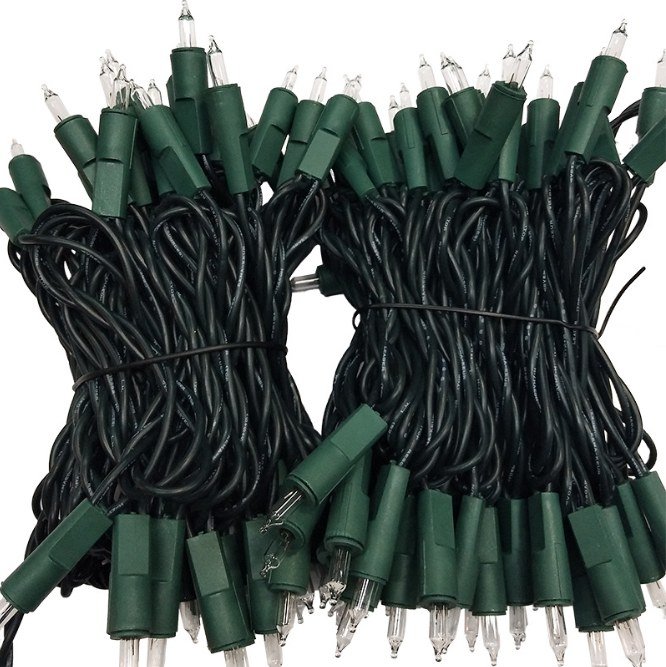
Warm-white incandescent lights
The familiar glow of filament bulbs for a traditional tree collection. Pair the bulb style with the intended tree design.
Bring together the tree shape, foliage and lighting your customers will love. Jingcan develops pre-lit artificial trees for brands, wholesalers and retail collections, with incandescent, LED and fiber-optic lighting options tailored to the agreed design.


Product photographs from one lighting series. Final light colors and functions follow the approved sample.
From traditional warm lights to fine points of sparkle and changing colors, choose the lighting character for your tree collection. Each type can be developed around the selected tree and order specification.
Six ways to give your tree warmth, detail or a brighter presence.
The familiar glow of filament bulbs for a traditional tree collection. Pair the bulb style with the intended tree design.
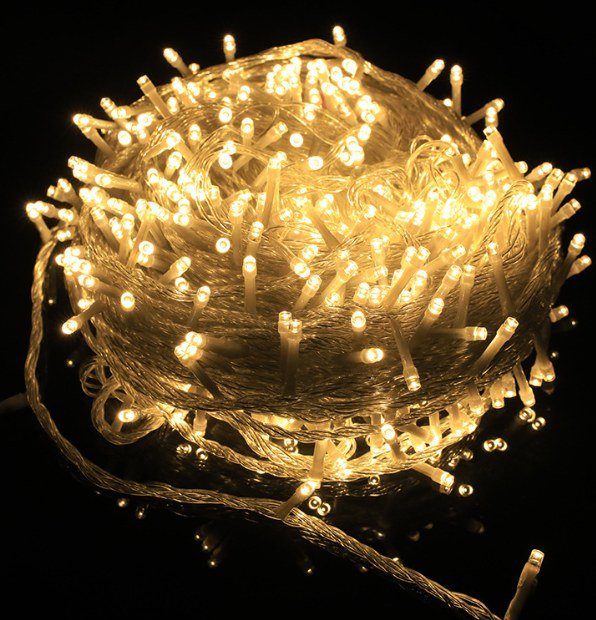
Warm light points bring out foliage and ornaments, with the tone and placement selected for the collection.
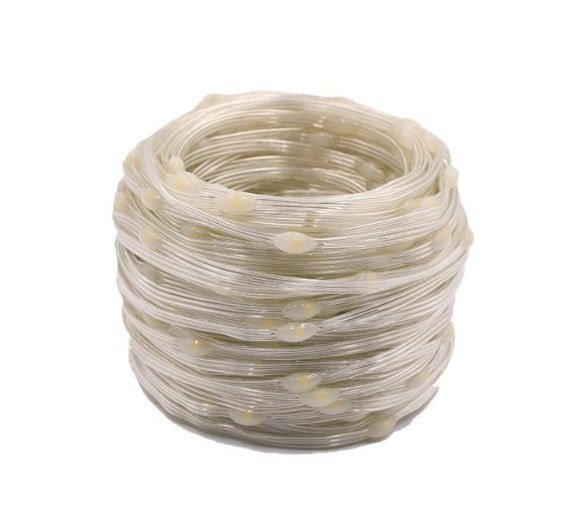
Fine wire and tiny light points create a delicate effect through the branches, keeping the lighting visually light.
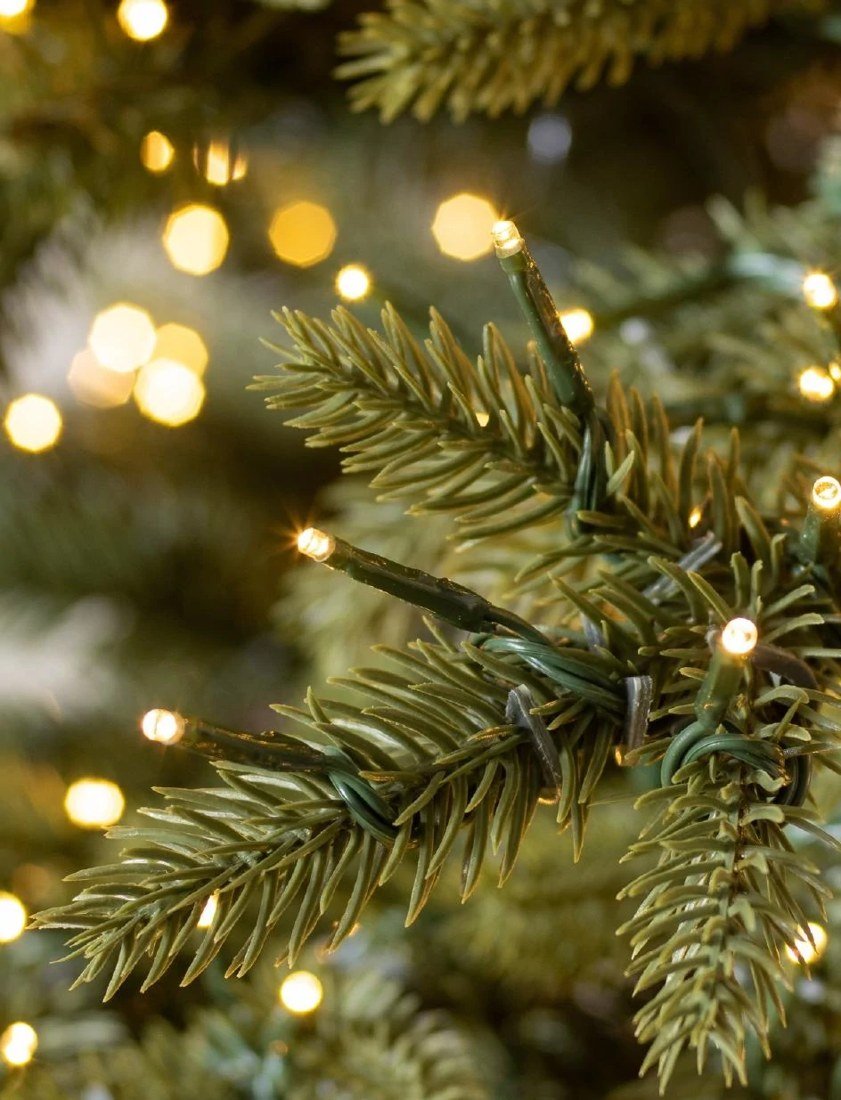
Compact LEDs add small, distinct points of light within the foliage. Match their spacing to the finished tree.
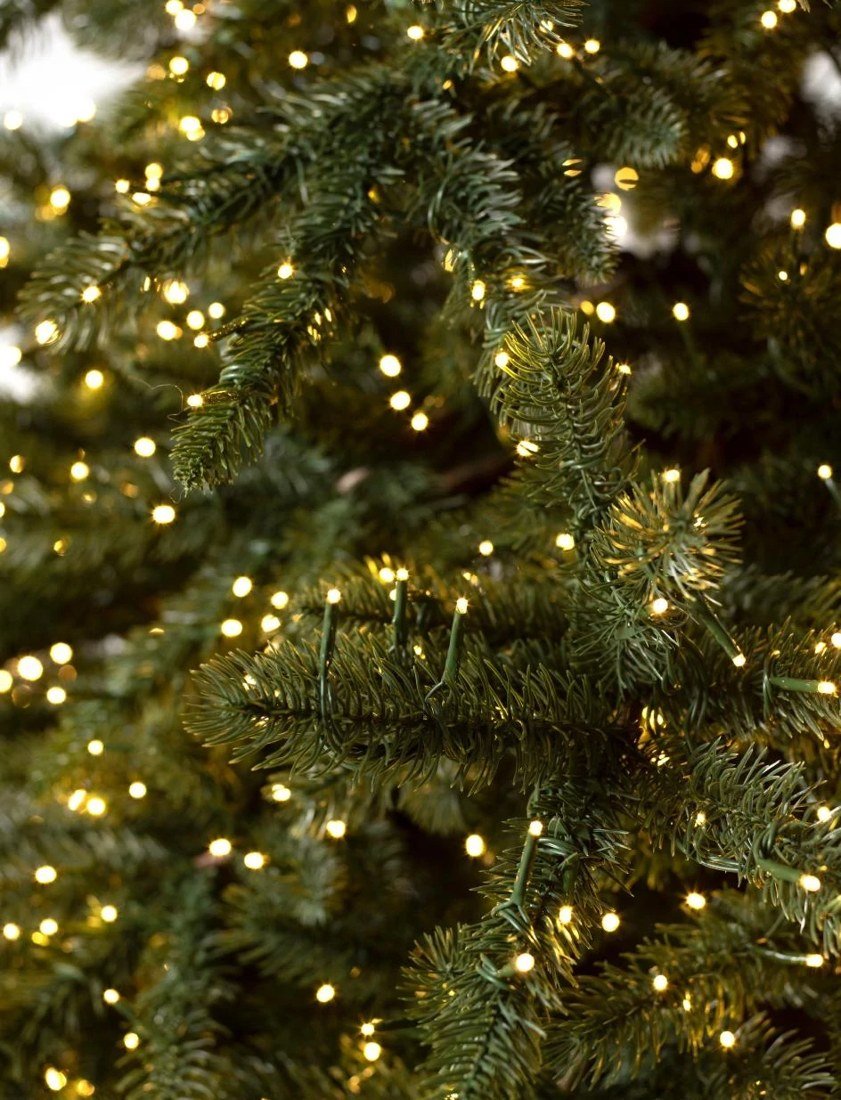
A closely spaced lighting layout gives the tree a more illuminated presence, with density defined for each size.
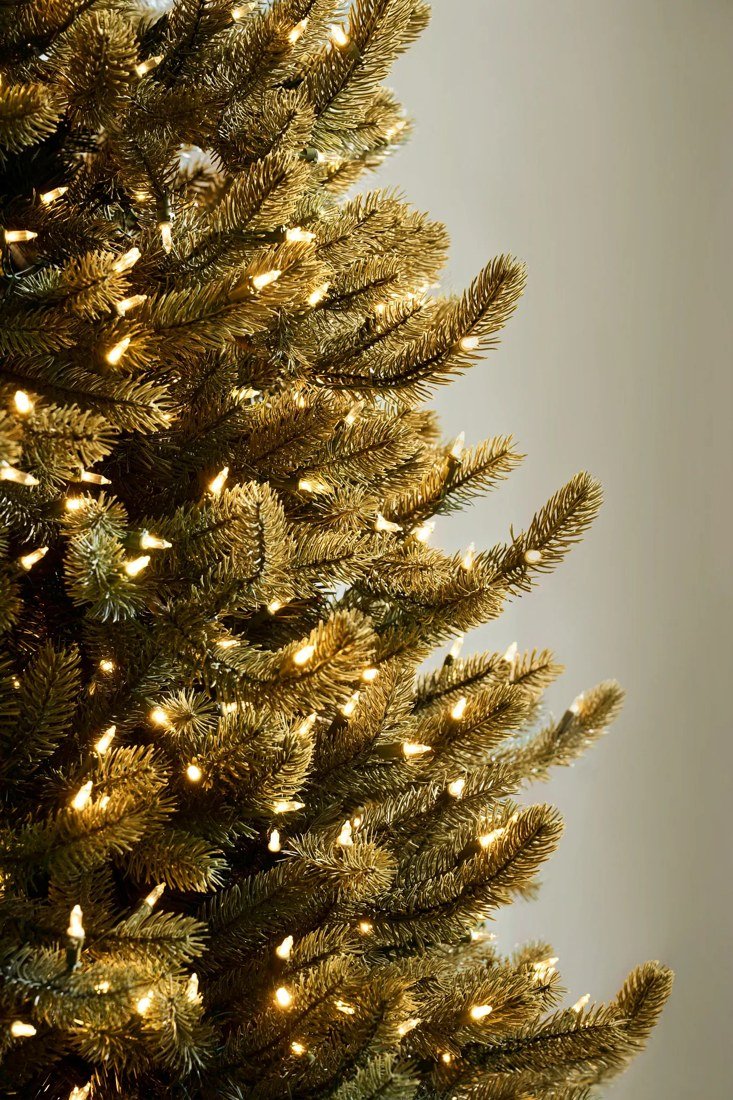
Gentle changes in the lights add movement to the tree. Choose the desired twinkle pattern with the matching controller.
Five options for traditional color, flexible looks and animated displays.

A defined mix of colors gives the tree a festive look. Fixed four-color lighting is one available configuration.

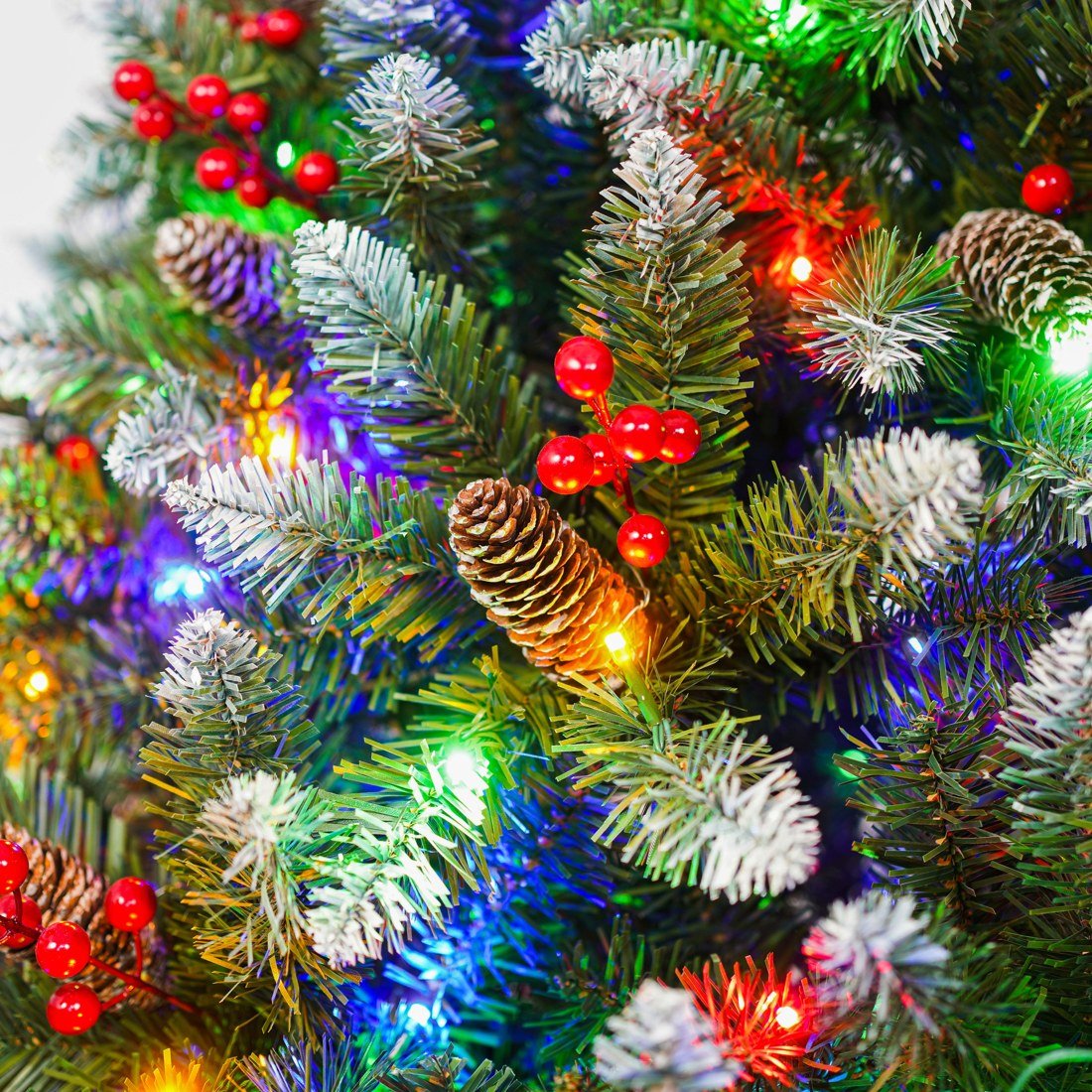
Move between two preset lighting looks, such as warm white and multicolor, with functions matched to the selected light set.
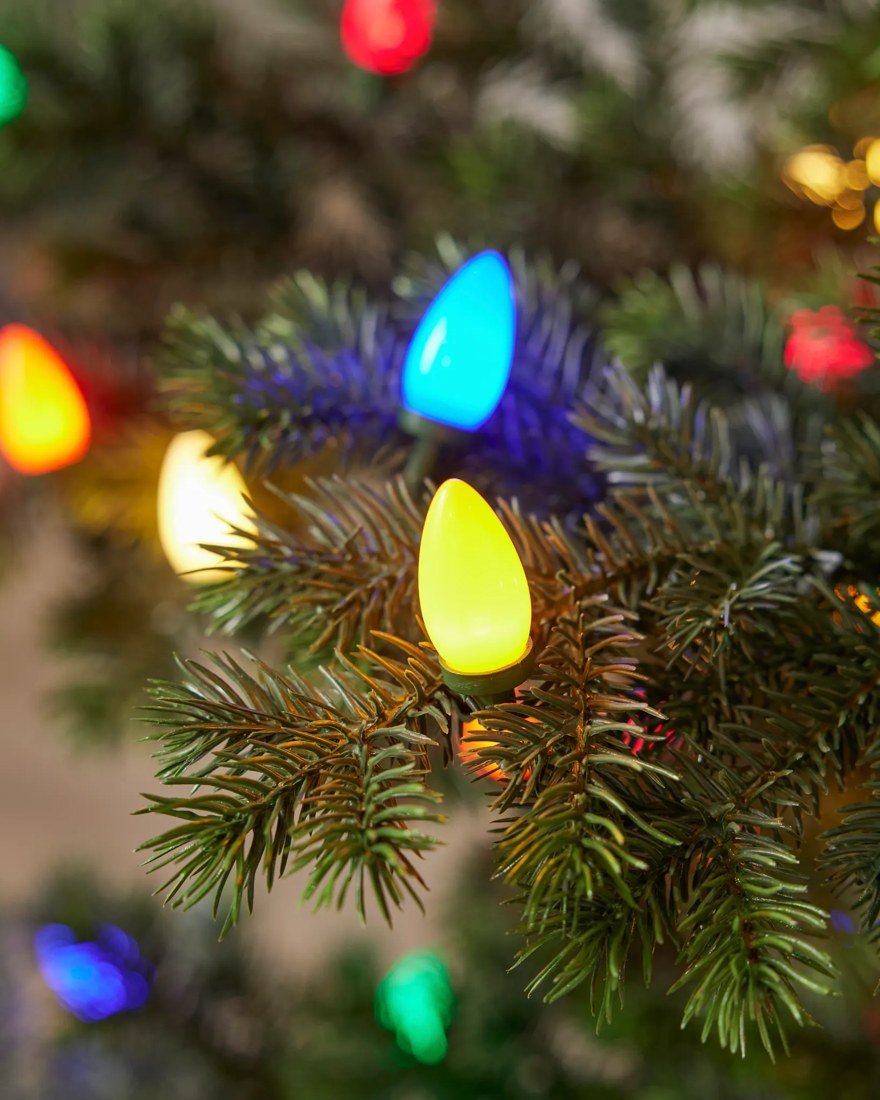
Visible C7-shaped bulbs give the tree a retro character. Their size and placement become part of the decoration.
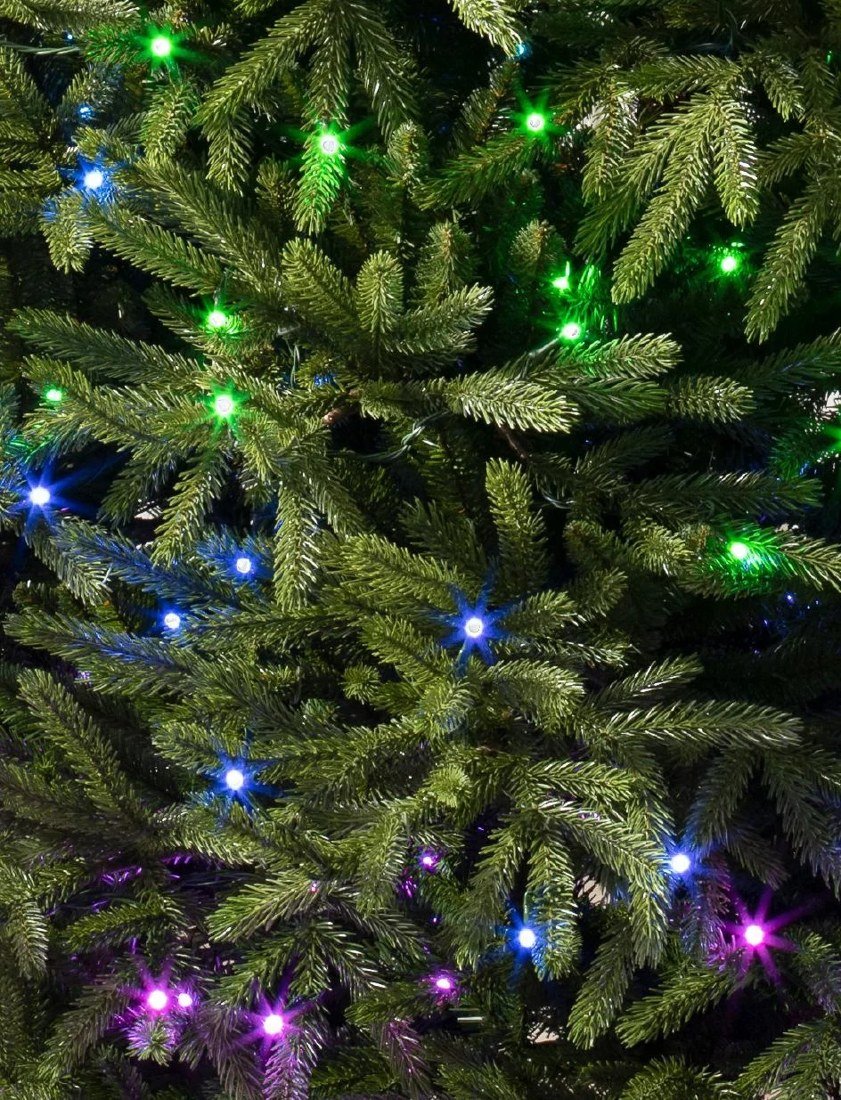
Color changes and moving patterns bring a different energy to the tree. Select the effects and controls for your range.
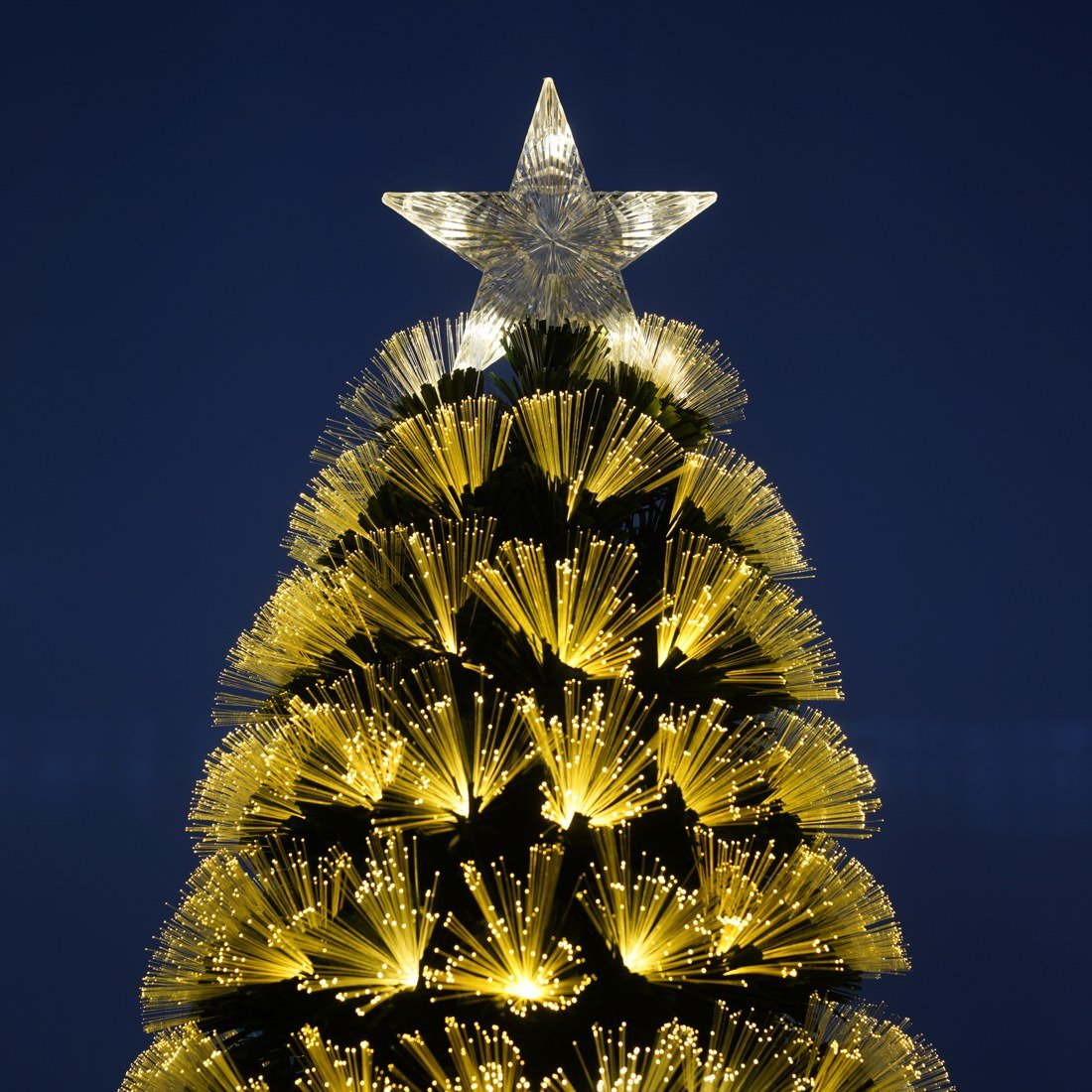
Light carried through fine fibers creates luminous points within the tree, offering a different visual texture from conventional bulb strings.
Light type, color, modes, controls and power are separate choices. The final combination follows the approved sample and specification. Twinkle and color-change effects are reviewed through a sample demonstration.
The same lighting idea feels different on a full green tree, a narrow silhouette or snowy foliage. Shape and light are designed together.
Choose the outline your range needs, then refine the leaf texture and seasonal finish. PVC foliage, moulded PE tips and mixed constructions offer different visual possibilities. Flocking, white tips, cones and berries add another layer to the design. A pre-lit version can be developed around the selected tree, with the light set and assembly assessed together.
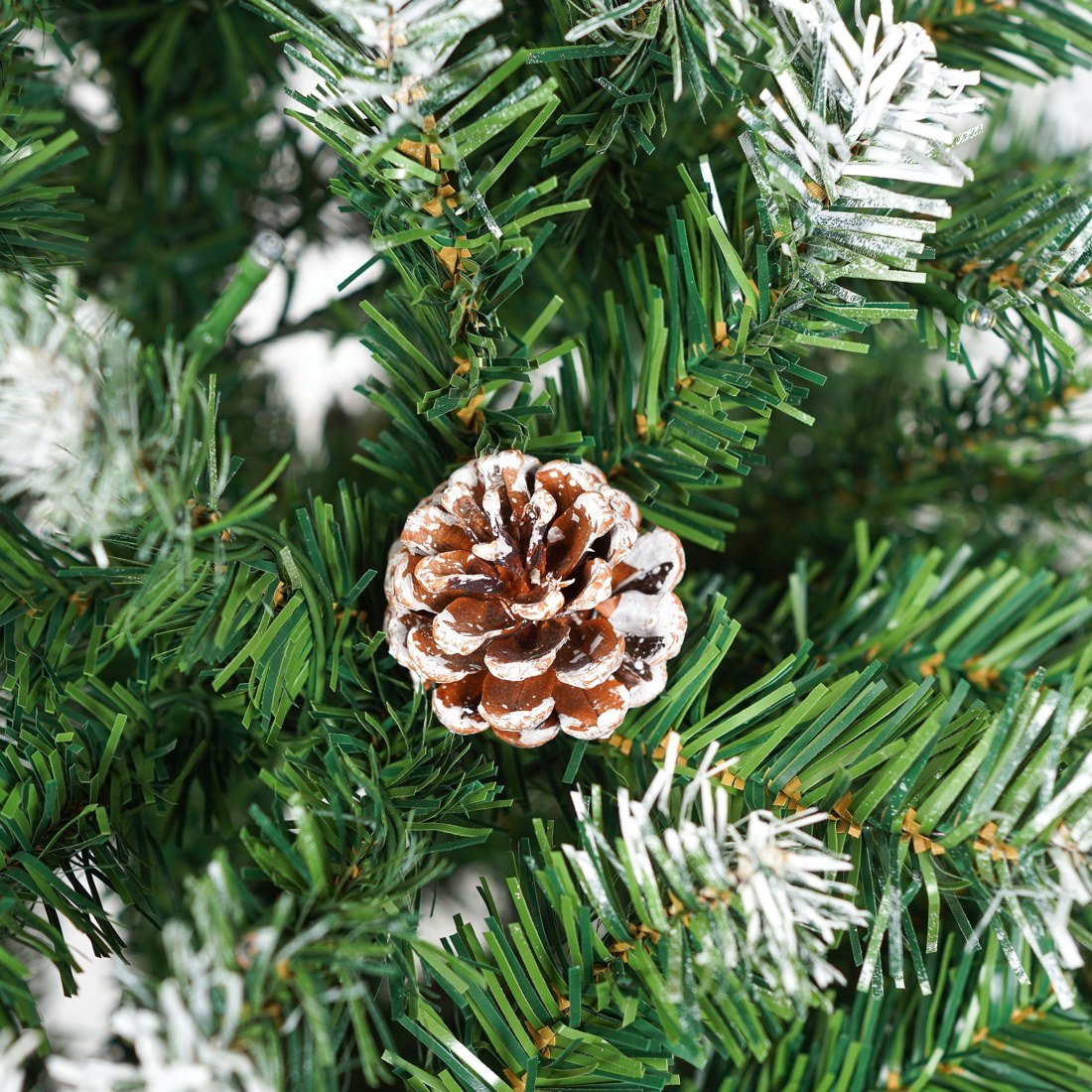
Light count matters, but so does placement. A wider silhouette and fuller foliage change how the points of light are seen. For a new design, compare the entire tree and its branch detail together. Photographs taken under similar conditions, followed by a sample demonstration, make the intended effect easier to agree.
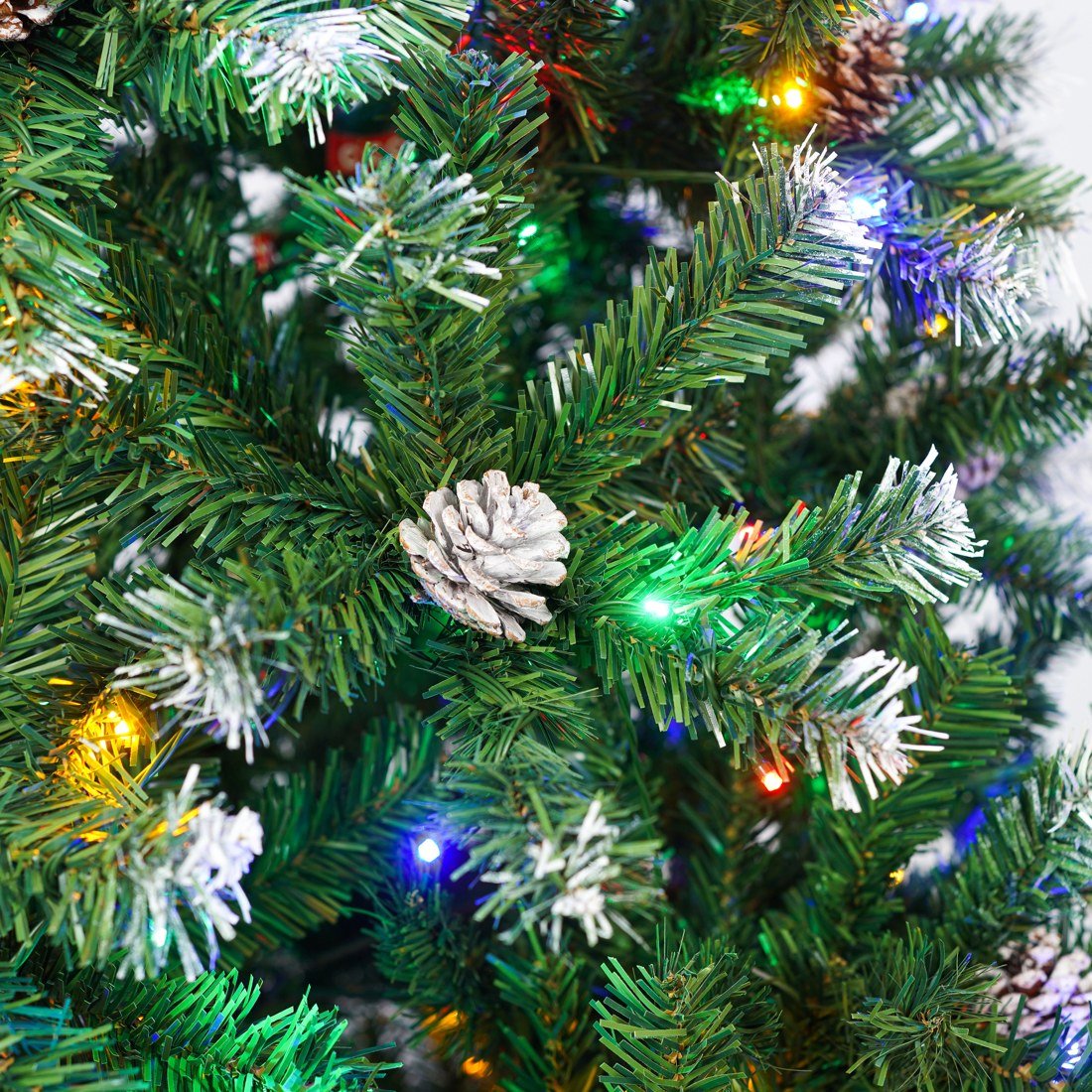
A tree is easier to specify when the power, control and connection choices are considered together. The relationship below is a buying checklist, not a wiring diagram.
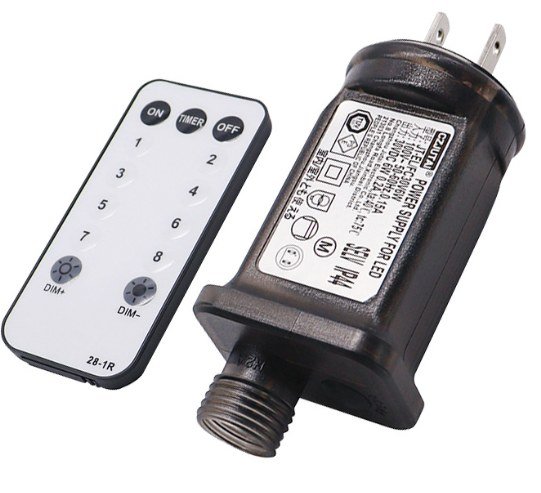
Select the controls customers will use: power, light modes, timer and brightness. Review the remote and light set together when confirming the sample.

An integrated button keeps lighting controls on the power unit. Specify the plug for the destination market and match the output and connector to the selected light set.
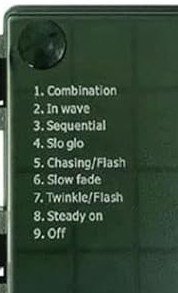
A battery-box option suits small trees and coordinated wreath or garland collections. Choose the required light modes and timer settings as part of the product brief.
Matched input, output and connector.
The required buttons, remote or foot control.
The assembly method for the selected tree.
Colors, modes and section distribution.
See how the base and tree sections fit together, how the light leads connect, and how the branches are shaped before switching on. The light-connection steps begin around 24 seconds into the demonstration.