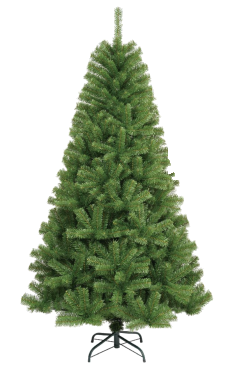
Full & classic
A balanced, familiar tree outline. Set the fullness, taper and lower width to suit the collection.
Create a Christmas tree collection around your market. Choose the silhouette, height, foliage, finish, construction and lighting, then bring the details together with decorations, bases and branded packaging. Jingcan works with brands, importers and wholesale buyers on coordinated bulk-order configurations.
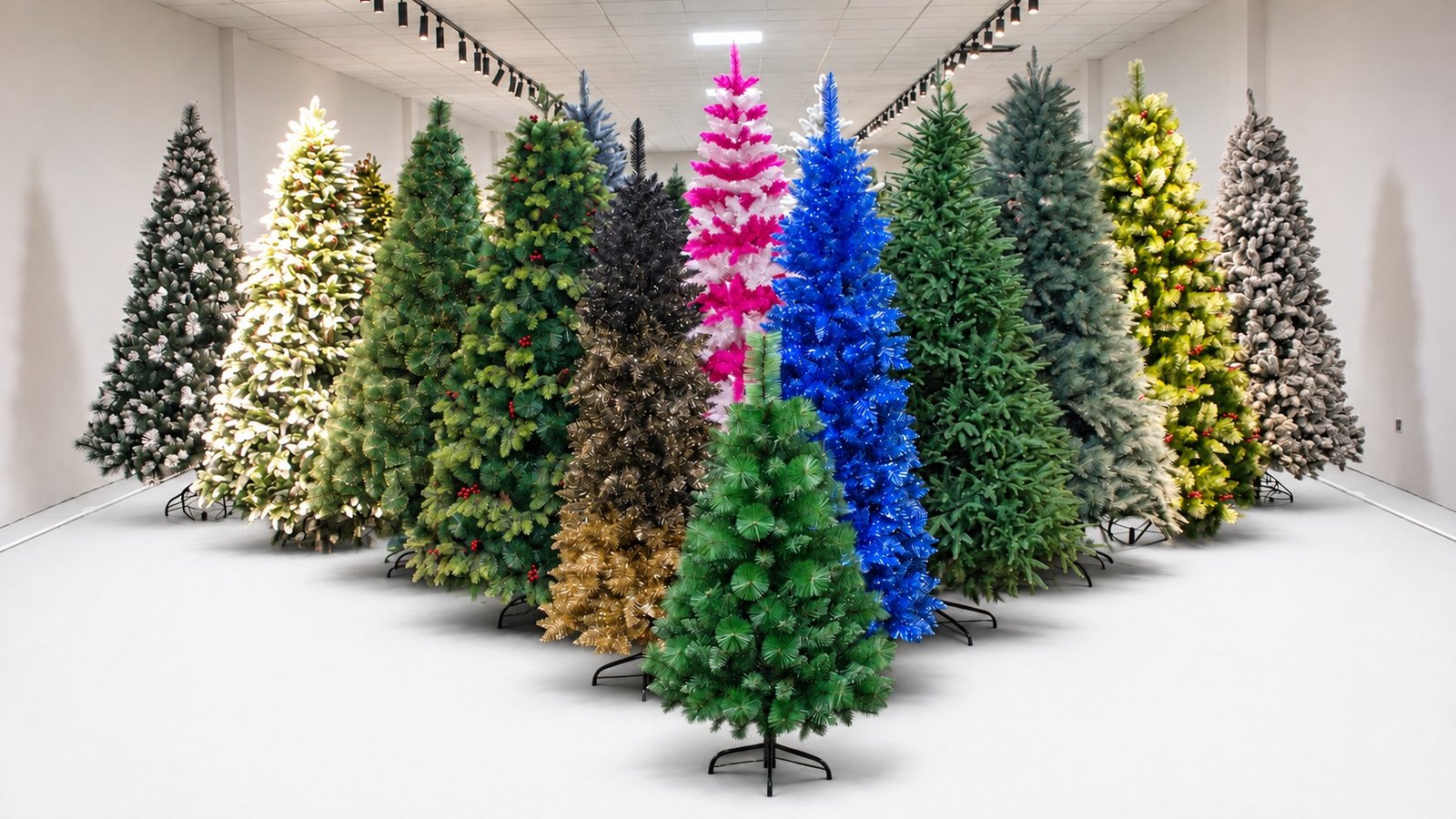
Compare seven shape directions, from a classic outline to a Santa-hat or inverted form. Choose the silhouette first, then refine height, width, foliage and lighting.
A balanced, familiar tree outline. Set the fullness, taper and lower width to suit the collection.
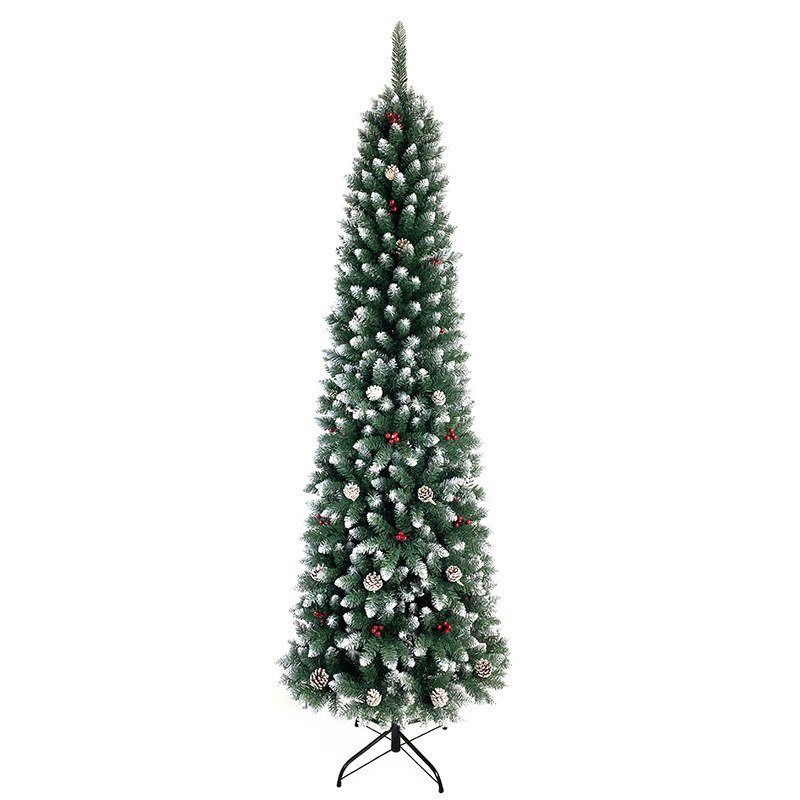
A tall, narrow silhouette with a small footprint. Specify the target height and width together.
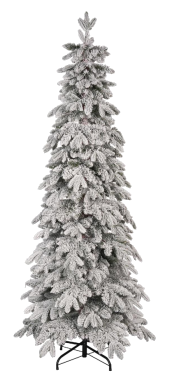
Downward-facing branch layers create a softer silhouette. Review branch angle, spacing and foliage coverage together.
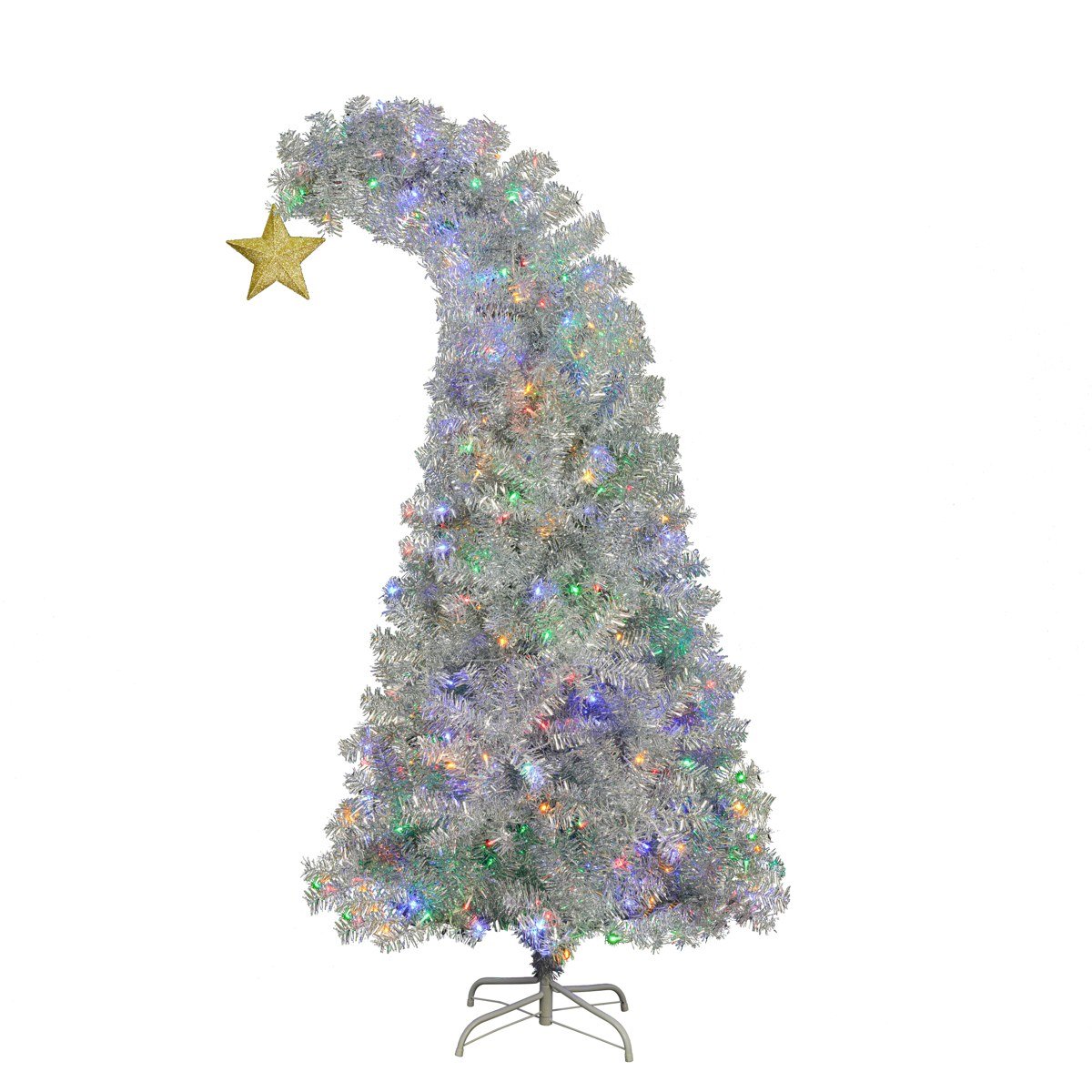
A curved tip gives the tree a Santa-hat silhouette. Choose the curve, colour and decorations to suit the theme.

Upward branch tips give the tree a lifted outline. Lighting and decorations can be specified separately.

A wider upper profile tapers toward the base. Support and display arrangements are reviewed for the intended installation.
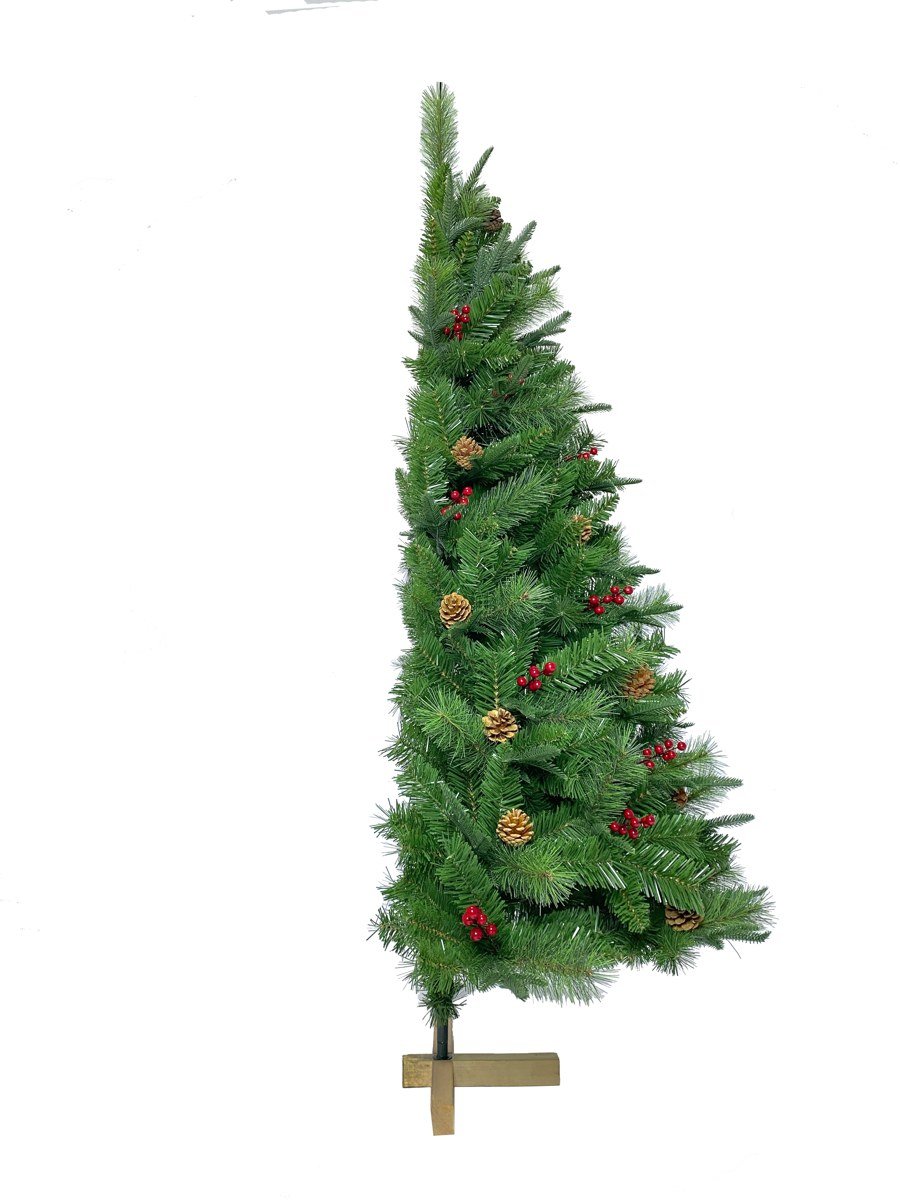
A reduced-back profile for wall-side displays. Compare the front and side views before deciding the depth and support.
These are design directions. Special shapes, dimensions and compatible configurations are reviewed by project.
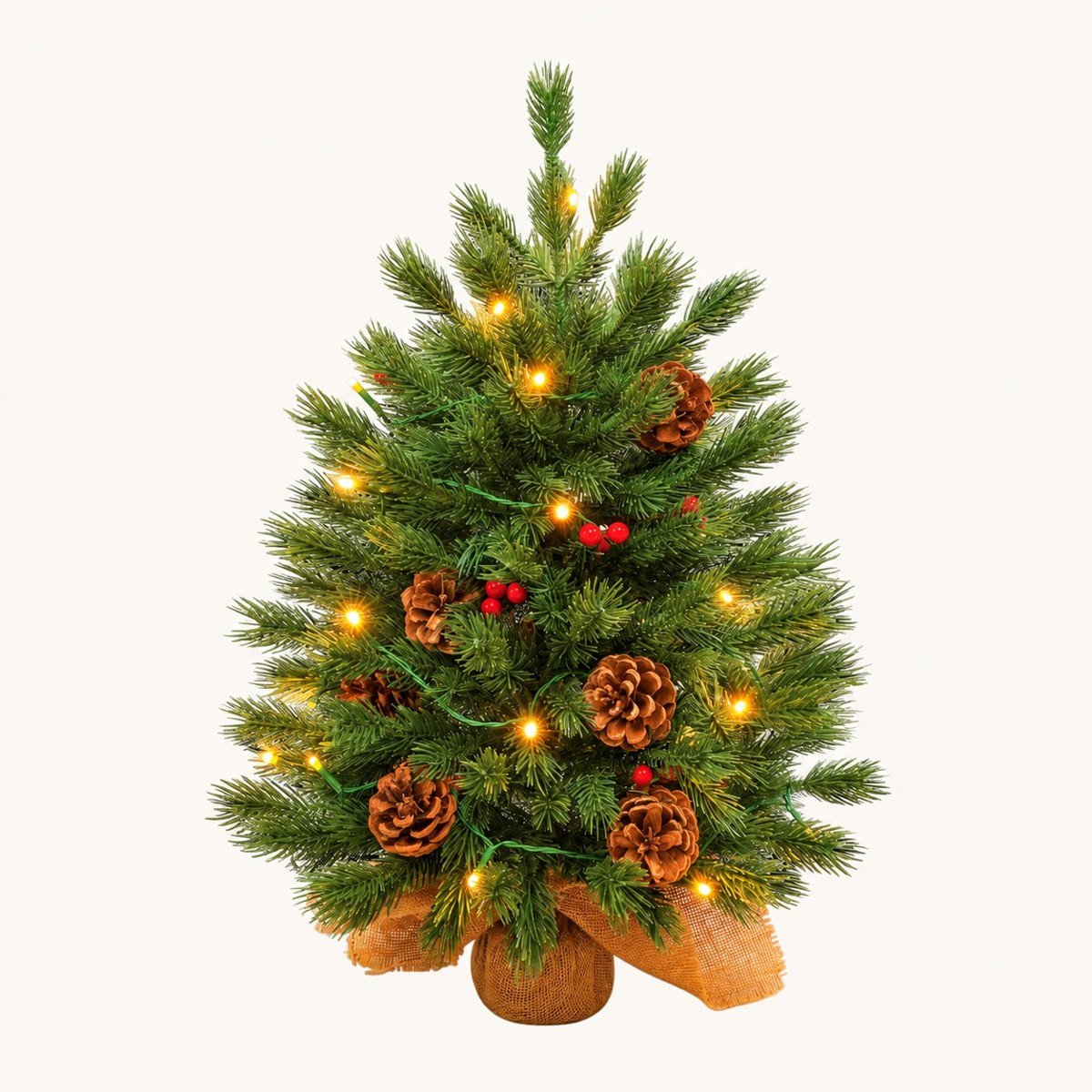
Compare four heights in one flocked-tree range, alongside a tabletop style for compact displays.
Height by design
≈ 1.37 m
≈ 1.83 m
≈ 2.29 m
≈ 2.74 m
Swipe to compare all heights
The four flocked trees are shown in proportion to their nominal heights. The tabletop tree is a style reference; its height is specified separately.
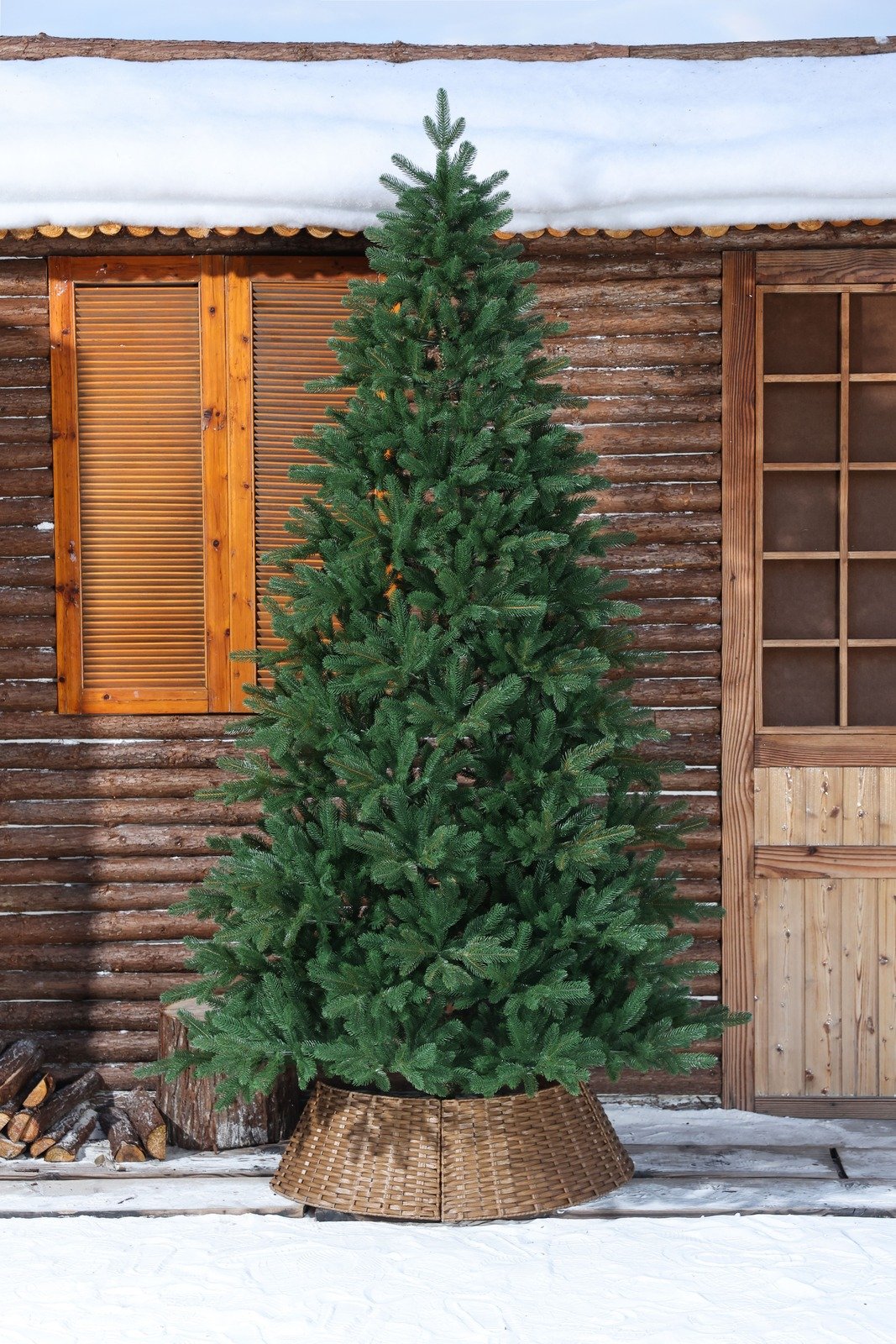
Material, needle shape and placement work together. Select the texture you want to see, then develop the mix and distribution for the target appearance and price position.
Flat, flexible foliage supports a classic Christmas tree look. Flat, rounded, pointed and grass-cut tip shapes create different edges; strip width and branch arrangement influence the finished fullness.
Moulded PE tips create a three-dimensional needle shape. Choose single, 3-, 5- or 7-fork branches, then specify single- or double-sided construction and their placement in the tree.
PET provides another material option for a foliage specification. Select the actual leaf sample, colour and surface appearance before comparing it with PVC or PE; the material name alone does not define the finished look.
Combine different leaf textures and branch layers for a coordinated result. Set which foliage appears on the outside, what fills the interior and how the mix is repeated across the tree.
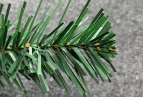






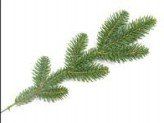
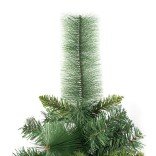
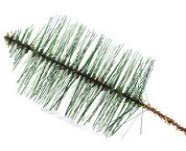

Pine-needle foliage describes a leaf form. PVC or PET material, needle length and branch layout are specified separately; confirm the material from the product specification.
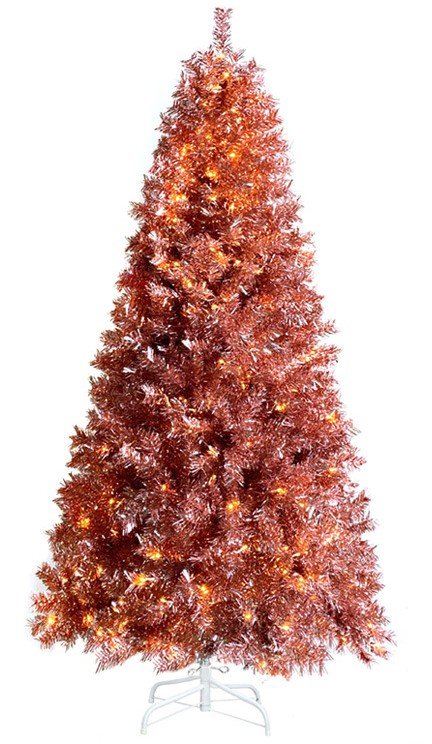
Colour and finish are separate choices. Green, white or a gradient colour direction can be paired with a surface treatment to create a specific seasonal look.
Leaf colour: green tones / white / gradient direction. Match the final shade with a physical sample.

A layered snowy coating gives foliage a softer, snow-covered appearance. Specify coverage, thickness and the balance of visible greenery; height, shape, structure and lighting remain customizable.
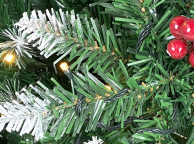
A lighter white treatment highlights selected foliage areas while keeping more of the original texture visible. Set the spray coverage and contrast against the underlying leaf colour.

White accents on selected edges create a defined tipped effect. The treated area and consistency across branch layers establish how subtle or pronounced the contrast looks.

An ice-like finish gives the branches and foliage the appearance of frozen crystals. Review the coverage and overall effect on the actual sample.

A reflective finish introduces a shifting sparkle. Choose its placement and visual intensity with the foliage colour; review the actual sample under the intended lighting.
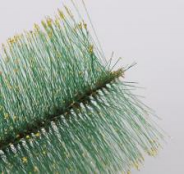
Gold highlights can support a warmer decorative theme. Apply them to selected foliage or accents, with the amount and distribution coordinated with ornaments and lights.
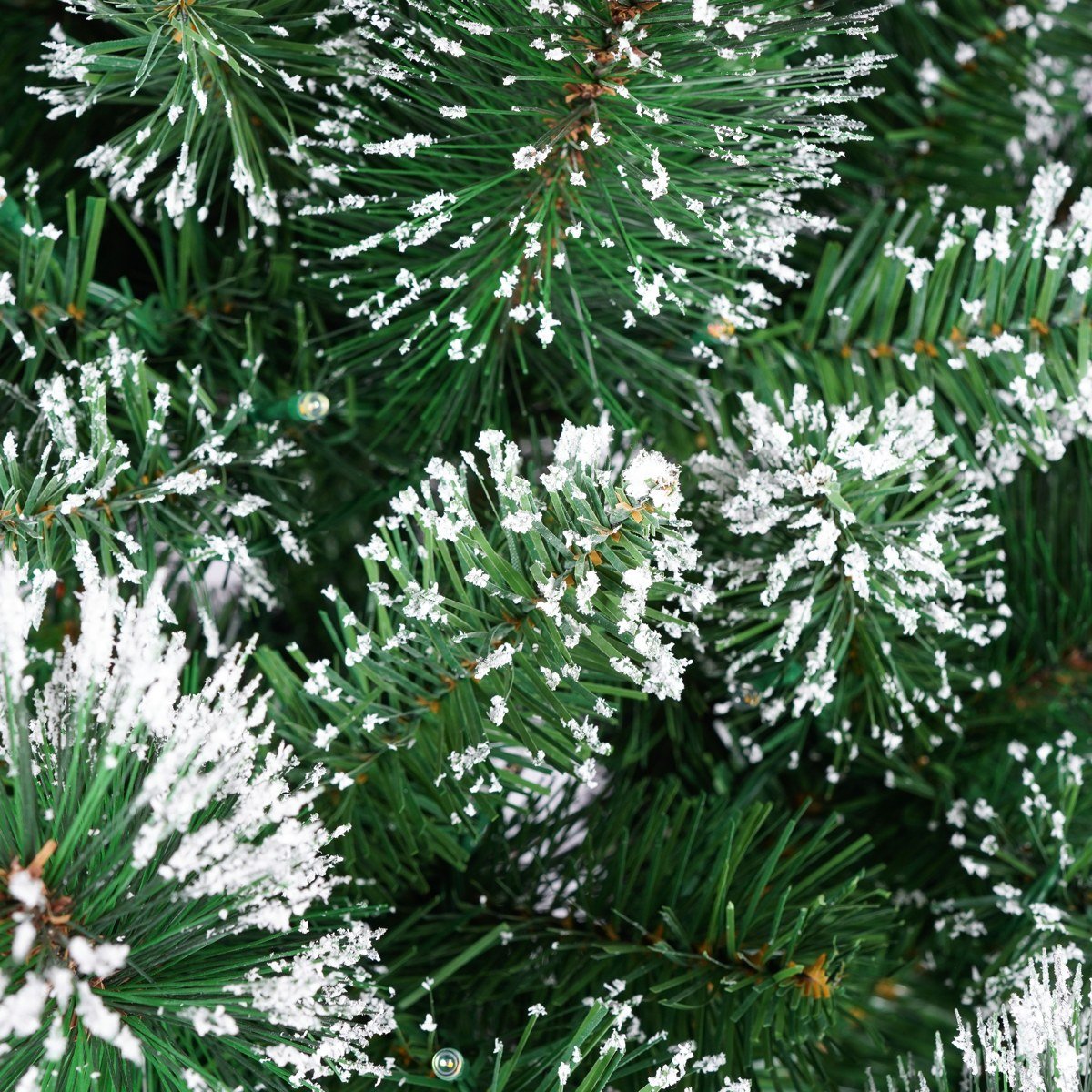
A textured particulate finish creates a different snow-like surface. Compare particle size, coverage and placement on the sample, alongside the intended packing and handling method.
Jingcan has its own flocking-and-drying equipment to help control drying. Final snow appearance and handling performance are reviewed on the selected sample and packing arrangement.
For brands, importers and wholesale buyers, construction affects both product cost and the setup experience offered to the end customer. Compare how the branches open, how much manual assembly is needed and how the tree stores after the season.

Branches remain attached to the trunk on hinges and open automatically to the angle set during manufacture. Fine shaping of the foliage may still be needed.
The most convenient of the three branch-attachment options for setup, making it a strong choice for ranges that prioritize ease of use.
Branches are fixed to the trunk. The customer manually opens and positions them to form the tree shape.
Typically a lower-cost option than hinged construction, suited to price-focused ranges where some manual setup is acceptable.
Branches and trunk are supplied separately. The customer attaches each branch to its designated position on the trunk during assembly.
Allow for more assembly steps when selecting this construction; branch identification and clear instructions matter for the customer experience.
The tree body expands over its support for easy setup, then collapses into a compact form for storage.
A useful option for seasonal ranges built around convenient installation and easy storage after use. Compare the assembled look with the folded form when developing the product.
This 6 ft decorated model shows how the tree body collapses for storage and expands for display.
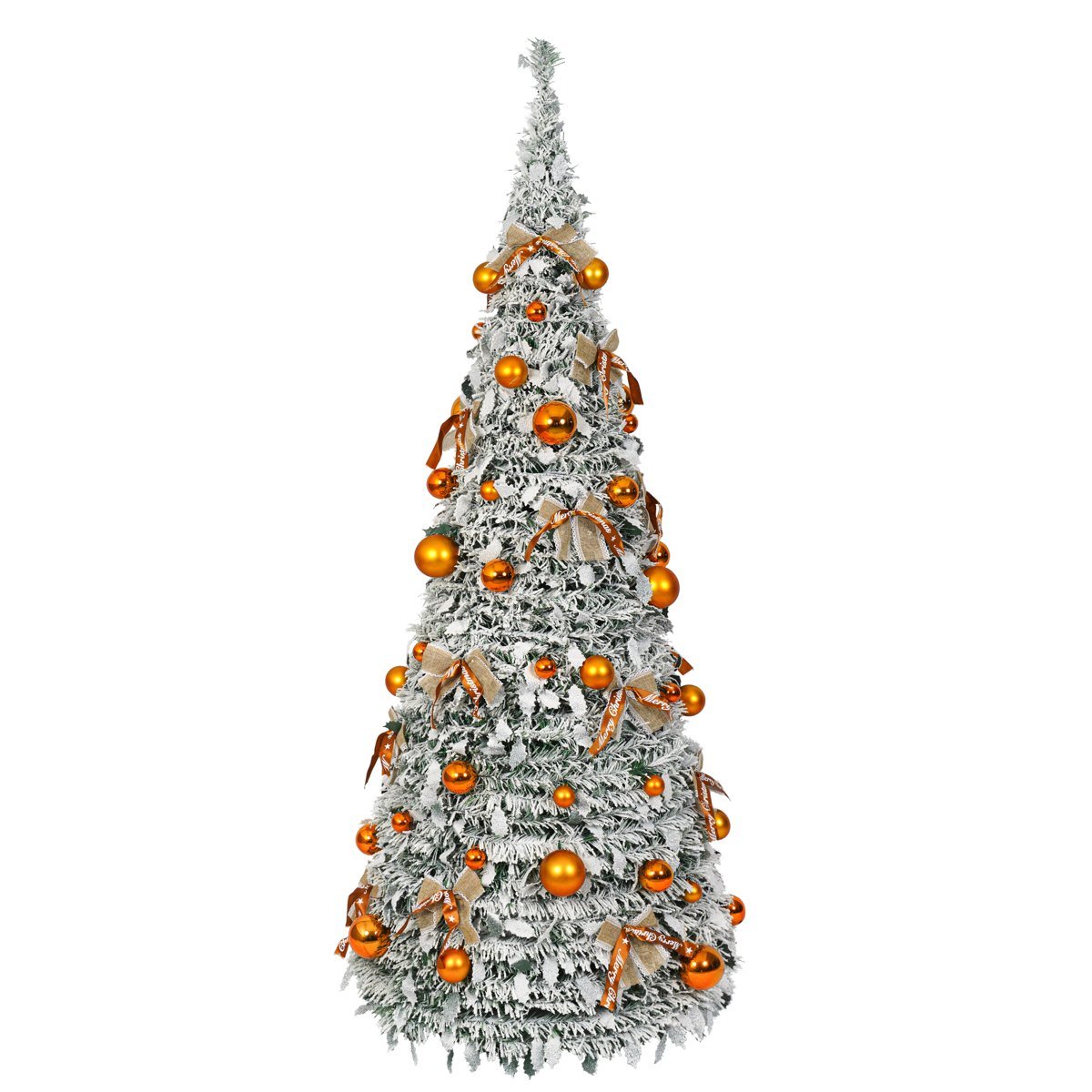
The two views are not shown to the same scale.
Compare construction options at the same height, foliage and lighting specification to understand the cost difference. Confirm the final assembly and storage experience on the selected sample.
Choose an unlit tree or build in a lighting system. Light source, bulb appearance, colour, effects and controls are related choices, rather than one interchangeable list.



Steady or changing modes, brightness, timers and remote operation are selected with the matching controller.
Discuss mains or battery arrangements, destination-market requirements, wire colour and the connection between tree sections.
Specify light count and distribution with the foliage density, so brightness and coverage suit the finished tree.
Some features can be combined. Available combinations and exact controls follow the selected light set; a light-type name does not promise every control function.
Build a coordinated range by matching the tree with its ornaments and base treatment. Select the support or decorative planter around your theme, target price and packing requirements.
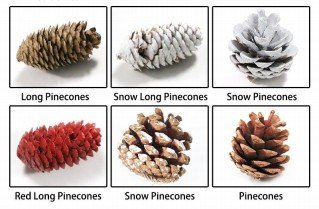
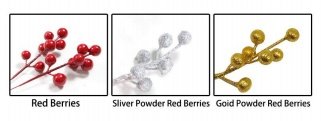
Natural-style accents add detail between the branches. Select colour, size, quantity and distribution, then confirm which accents are fixed to the tree and which are supplied separately.
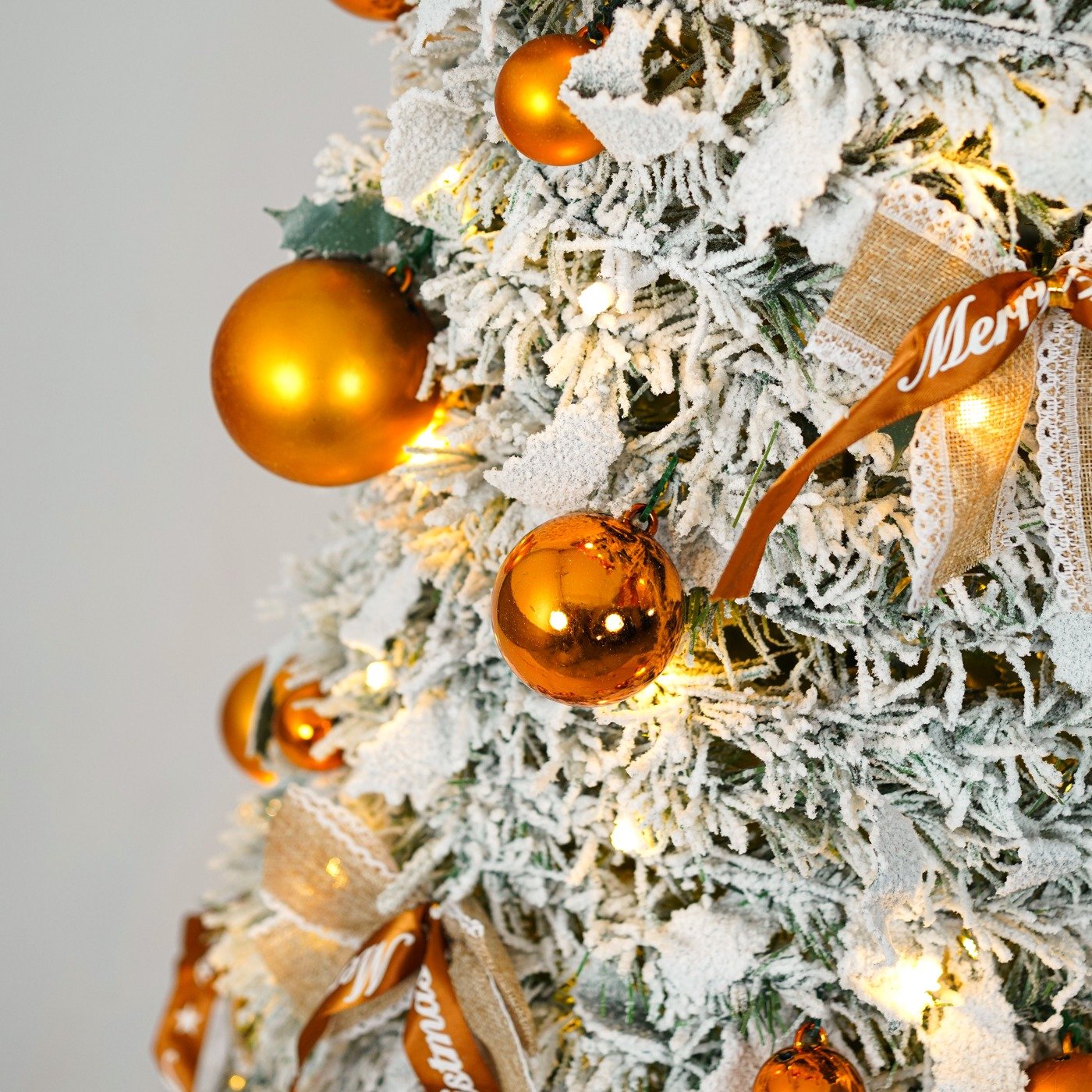
Build a coordinated palette with ornaments, ribbons or a tree-top feature. Balance ornament scale against branch spacing and identify the exact accessories included in the selling unit.
Choose plastic, iron, solid or wooden stands to match the trunk and finished tree. Coordinate the stand style with your collection, then confirm the footprint, fixing method, finish and packing arrangement for the selected model.
Choose flowerpot or trophy-style urn shapes to complement the collection. Coordinate the planter shape, colour and finish with the tree, then confirm dimensions, tree fixing and protective packing on the sample.
The tree, accessories and presentation should arrive as one coherent product. Match packaging to the sales channel and the exact configuration inside.
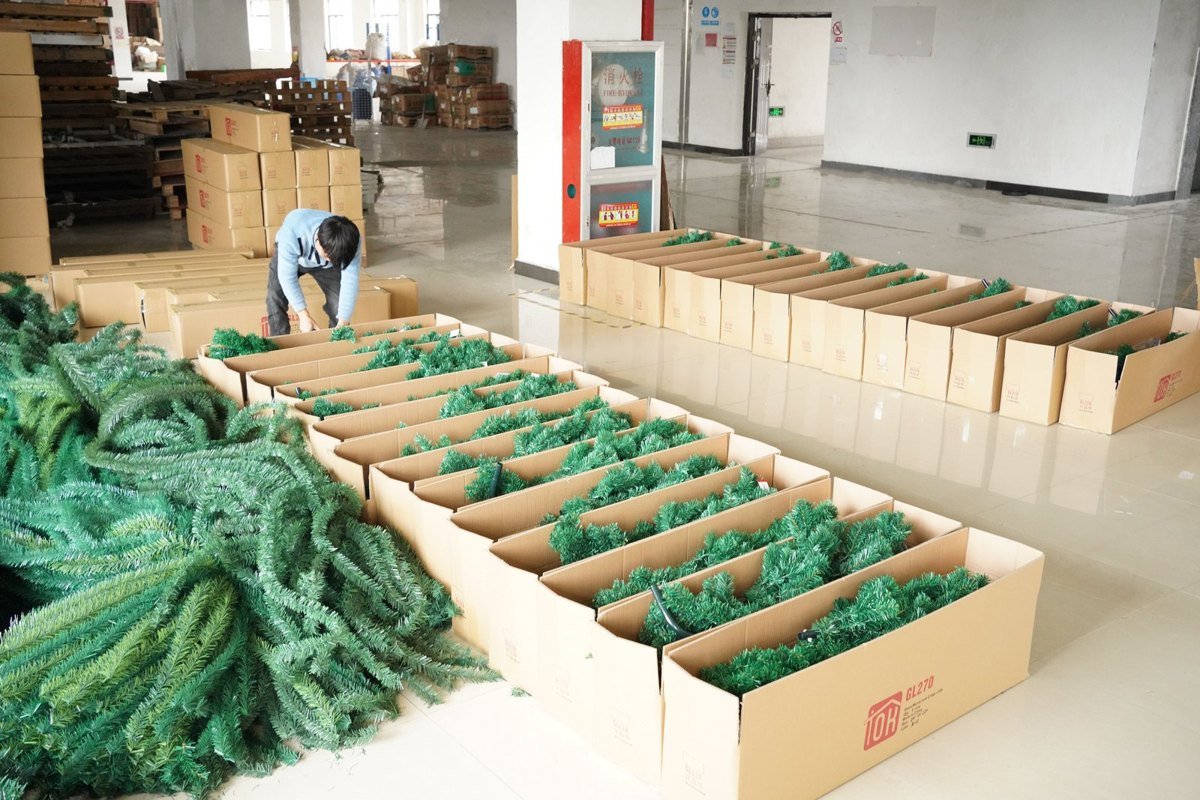
Packing dimensions, protection and any required transport testing are specified by product and shipping method.