Manufacturing tied to your product
Tree shape, foliage, structure, finish and lighting are considered together so production requirements describe the actual tree you want.
From foliage and branches to the finished tree, each stage shapes the look, structure and configuration of your range. Explore Jingcan’s manufacturing process and the product details that carry through from the approved sample to packing.
Discuss Your Production Project
Tree shape, foliage, structure, finish and lighting are considered together so production requirements describe the actual tree you want.
Explore foliage processing, branch assembly, optional finishes and light fitting through factory images and an agreed visit scope.
Branches, poles, stands, light sets and packaging are matched to the approved product version, including different variants in one order.
Incoming materials, work in progress, finished trees and outgoing cartons have different checks. The scope follows the order and acceptance requirements.
These examples show how product choices affect production. Materials, sizes, finishes and lighting can be discussed for your selected design; the photographed configuration is the starting reference.
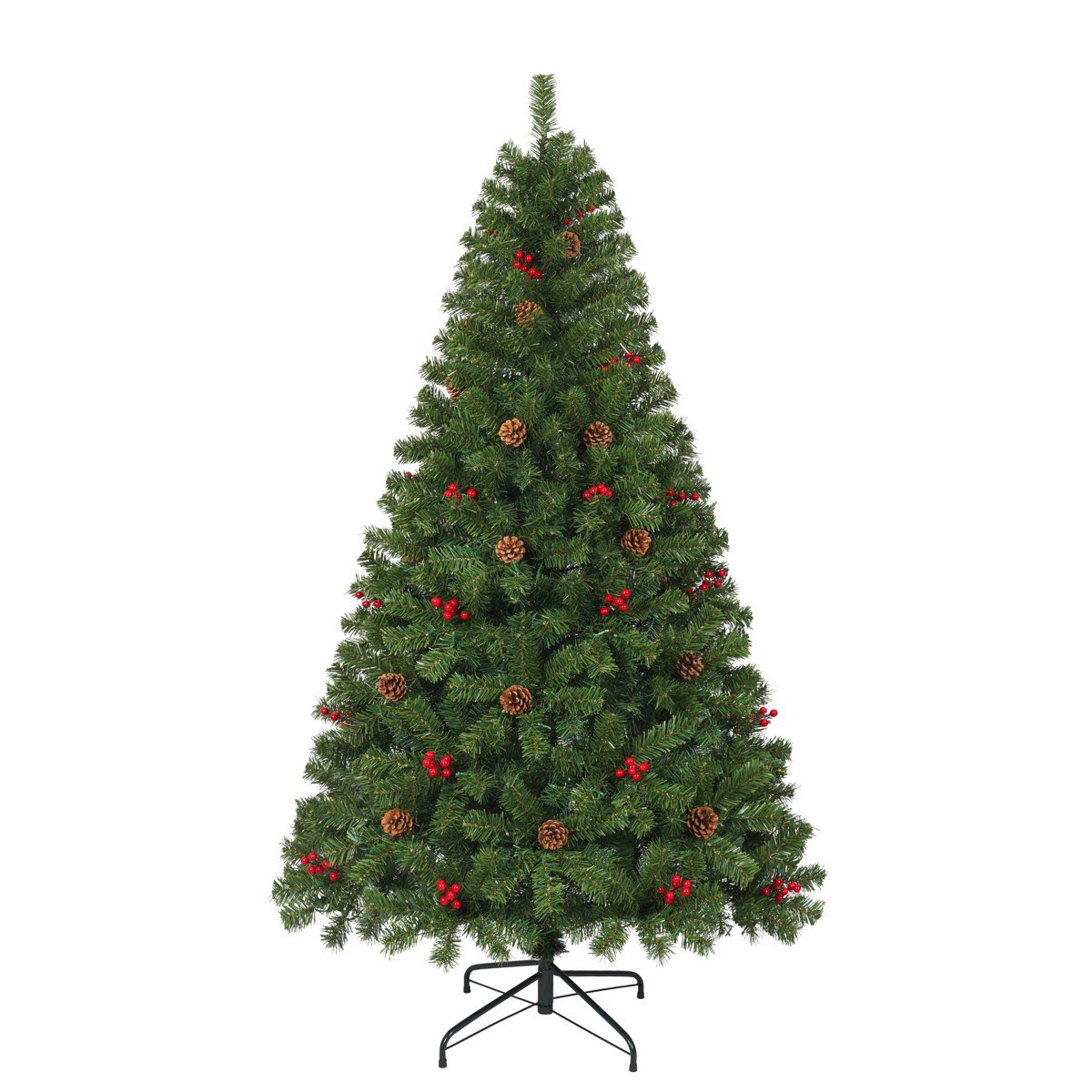
Foliage arrangement, branch support and decoration positions are developed together. Pinecones, berries and other accents follow the selected sample.
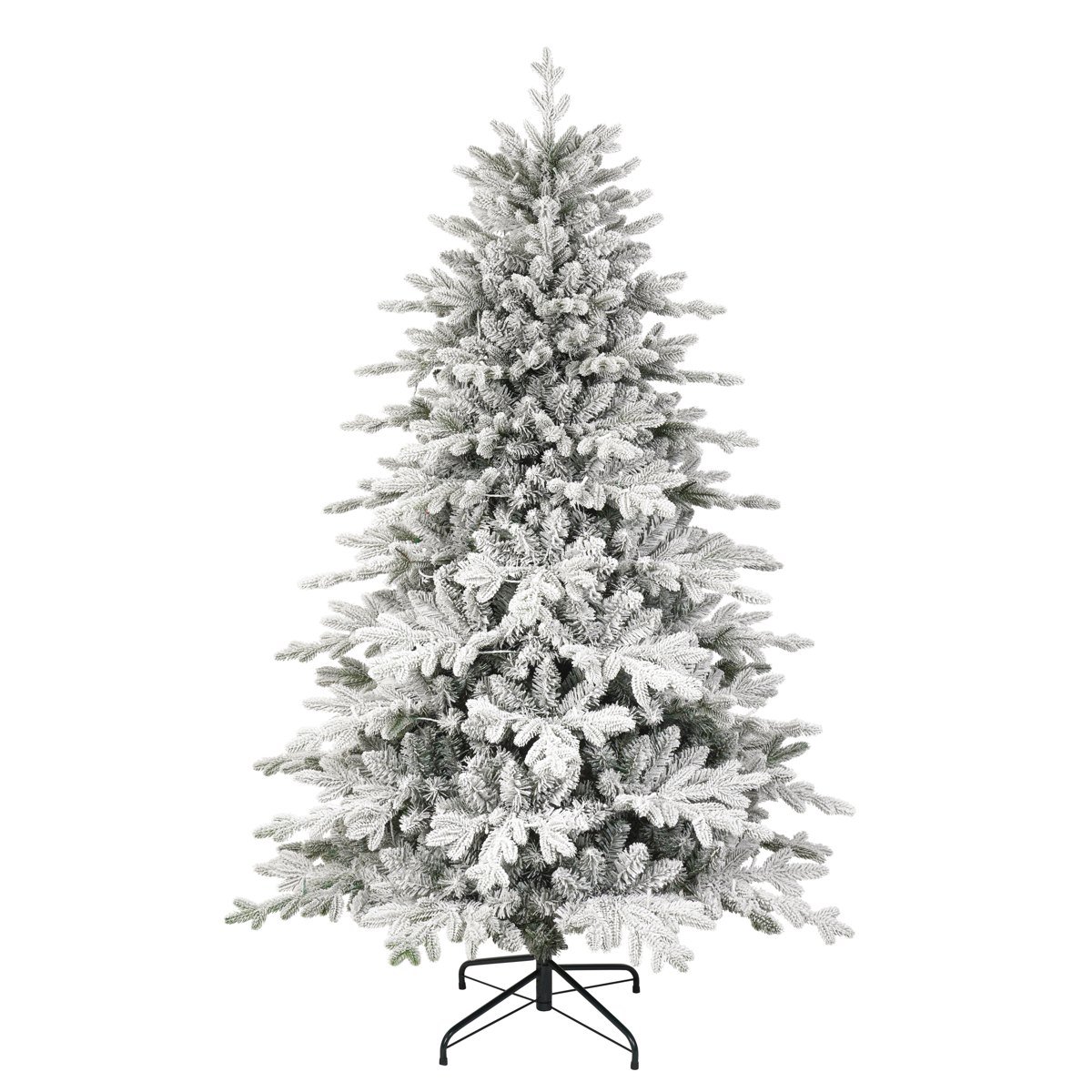
Flocking adds a separate finishing stage. Coverage, visual texture and protection during packing need to suit the agreed snow effect.

A smaller footprint changes branch lengths and distribution. Height, base diameter and stability are reviewed as a complete structure.
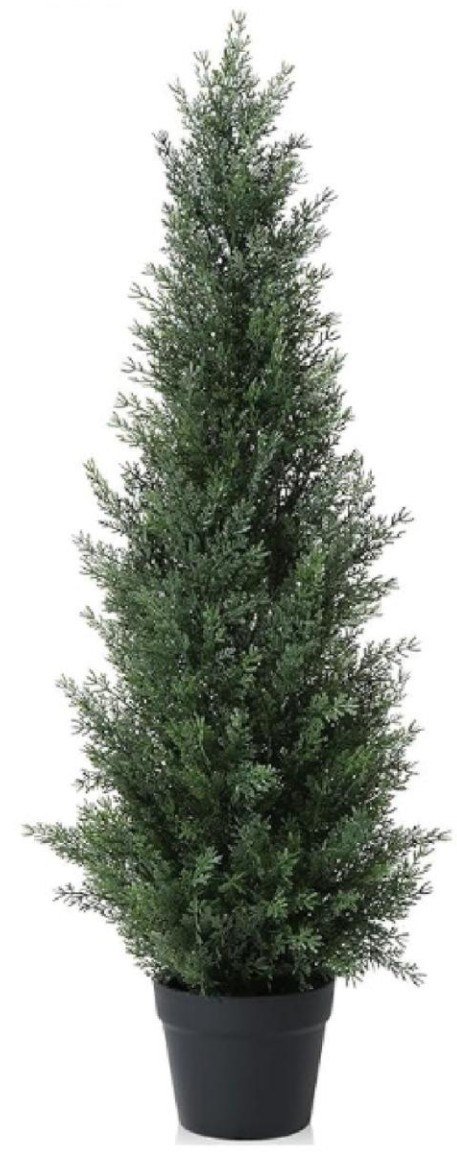
The tree body and pot form one assembly. The connection, support and packing arrangement are selected for the particular size and design.

A flat-backed profile uses a different branch layout. The displayed shape, supporting structure and intended placement are considered together.

A collapsible body requires its own support, assembly and storage checks. Decorations and lighting must suit that mechanism.
A sample can establish the silhouette, foliage, finish, lighting and assembly details before a bulk order. Tell us what needs to be tested or compared. Sample scope, fees and timing are confirmed for the project; the approved version then becomes a reference for production.
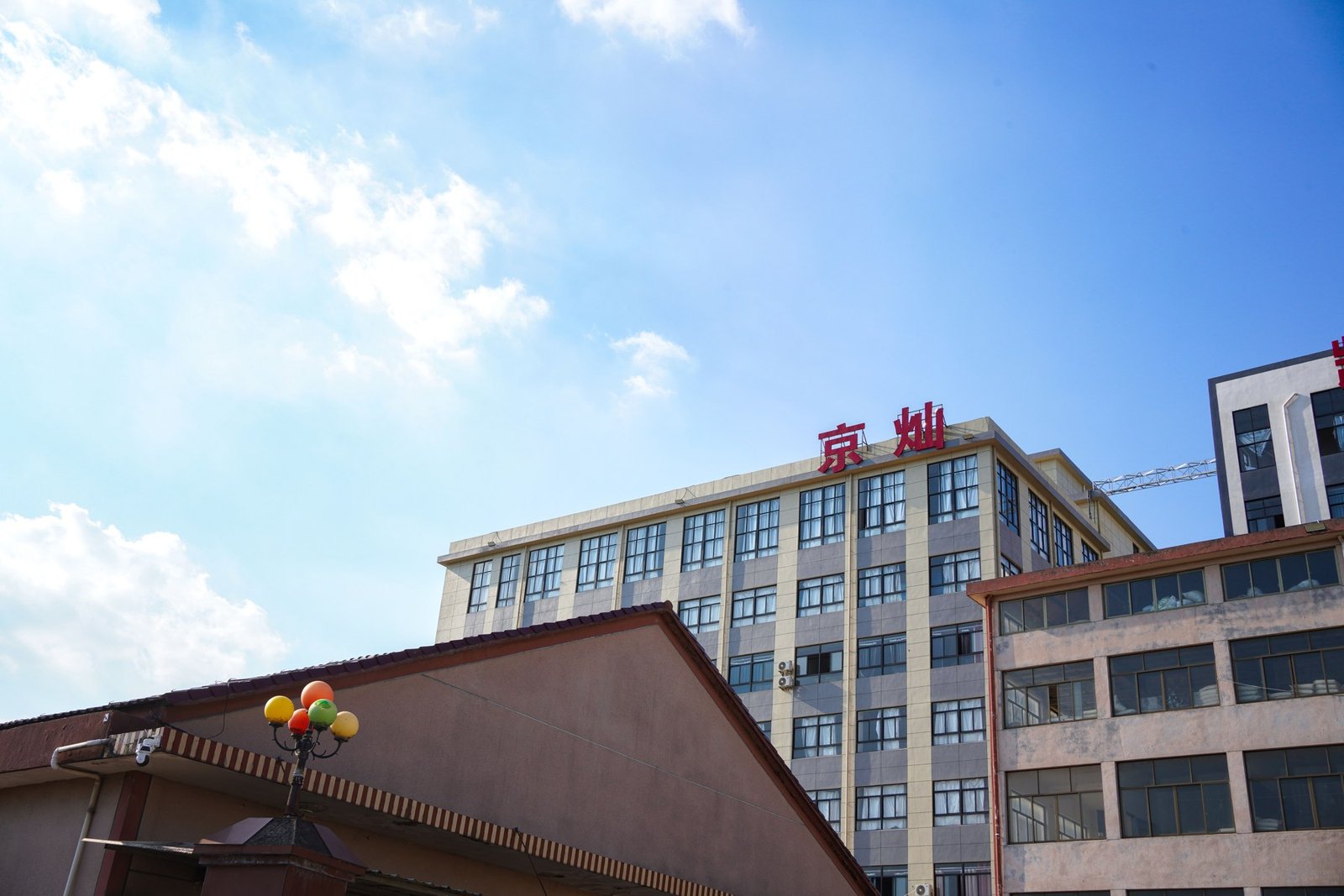
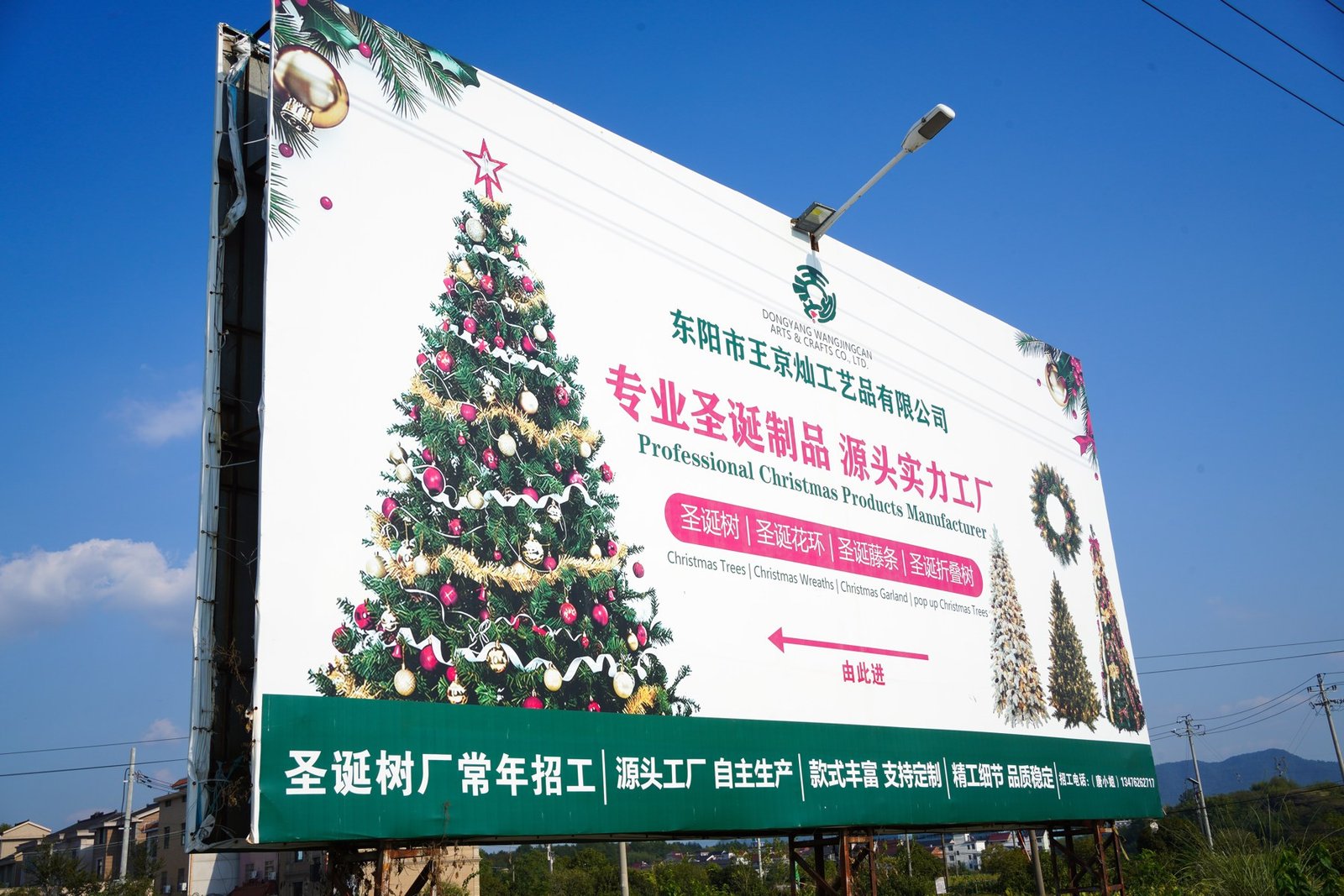
Discuss a Sample & Production PlanJingcan’s manufacturing roots date to 2006. Two self-owned production factories support our Christmas tree business, while Jingcan handles sales and customer transactions. Manufacturing includes foliage processing, tree assembly, selected decorative finishes, light fitting, checking and packing.
For your order, capacity is assessed against the product configuration, quantity, material readiness and production schedule. The delivery plan is agreed for the specific order and its production requirements.
Discuss Your Order Requirements
An existing model and a new development project need different preparation. We review the confirmed product version, quantities, components, packaging and inspection requirements before agreeing the production plan. Typical bulk production is around 30–45 days, depending on materials, configuration, quantity and scheduling; that is separate from freight and arrival at your destination.
Start with an existing sample, request a configuration change, or bring a reference image or sample. Changes to foliage, height, lighting and finish are assessed for appearance, structure and production. New materials, special electrical designs or tooling need a separate feasibility and validation discussion.
The approved sample, specifications and component list provide the reference for the first production piece. Important differences should be resolved before bulk work proceeds. Material, finish, lighting or packaging changes need the relevant review and written agreement.
The stages below show the full working route. Some activities run alongside one another, and optional finishes or lighting apply only to the selected design. The approved sample is established before bulk production.
Share the style, market, sizes, quantities and intended delivery milestone.
Review the structure, foliage, lights and finish through the agreed sample task.
Align the sample, specifications, accessories, packaging and acceptance requirements.
Match foliage, poles, stands, light sets and packaging to the order version.
Prepare the relevant PVC/PET foliage and branch-tip arrangement.
Bind branches and assemble the poles, sections and support structure.
Add the specified flocking, white effect or decorations where required.
Install the matched light set and connections; check the agreed functions.
Review the finished tree, accessories and carton contents against the order.
Reconcile carton marks, quantities and shipping documents with the shipment plan.

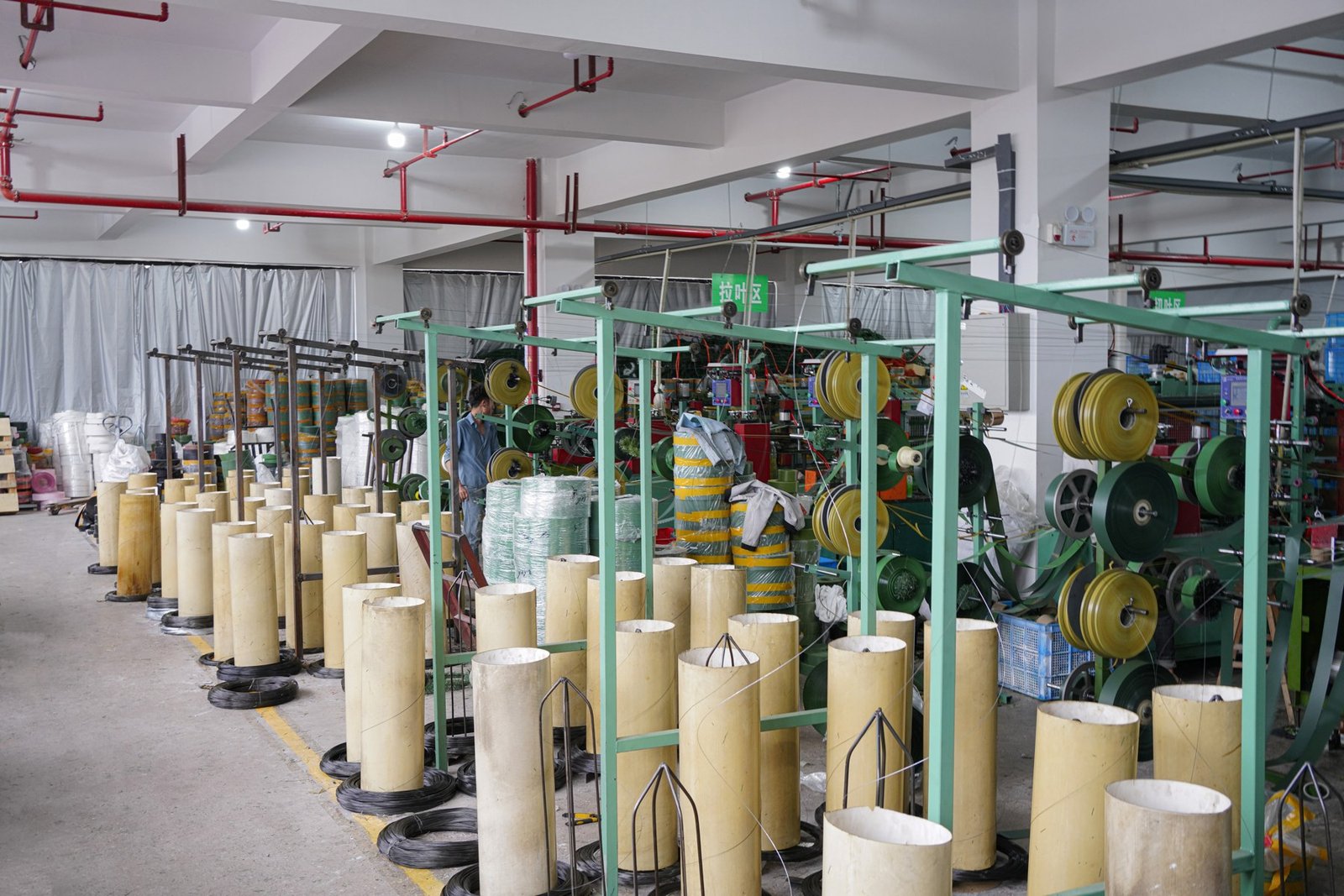
Preparing foliage for the selected material and branch construction.
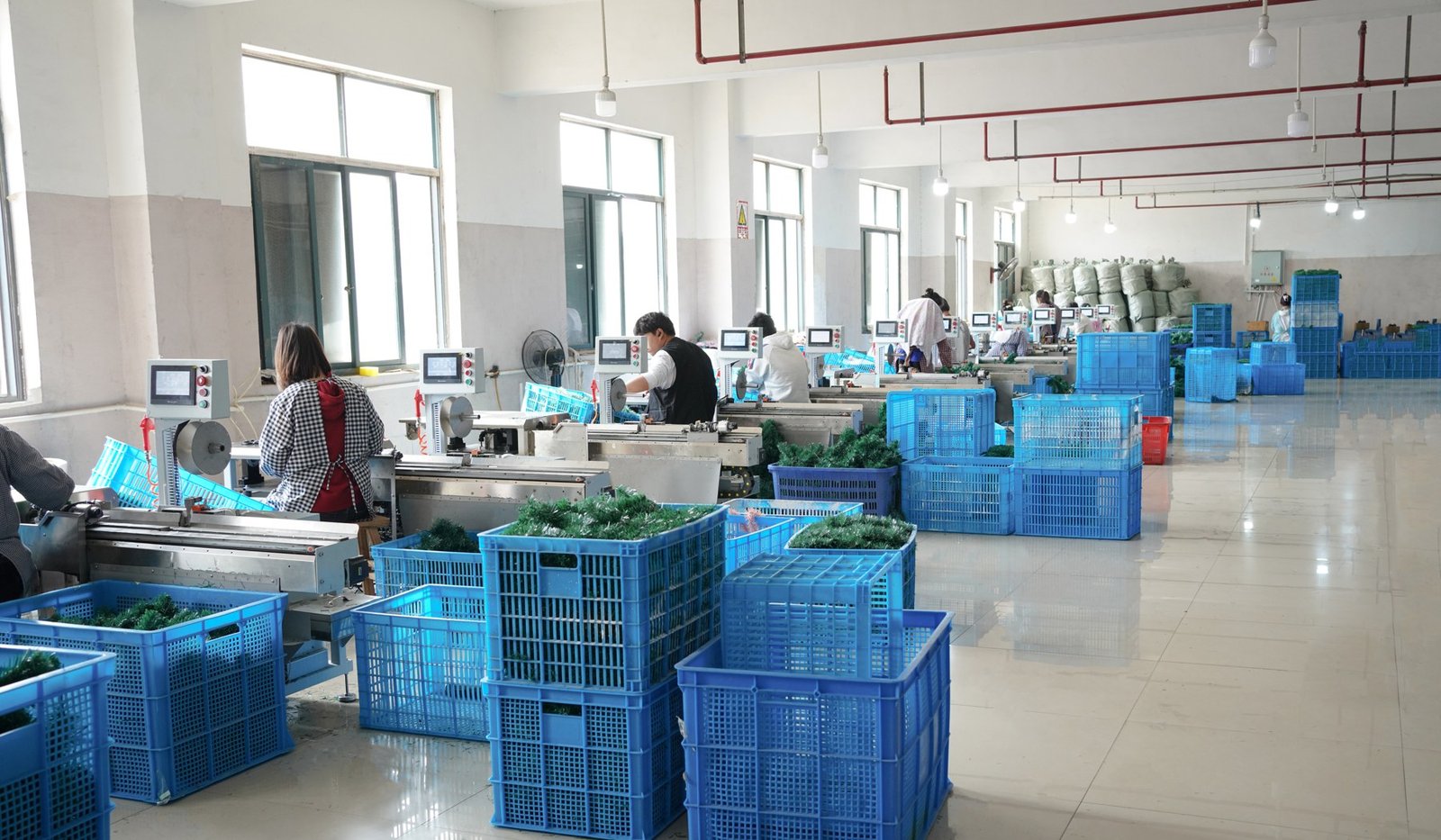
Branch layout and connections contribute to the finished tree structure.
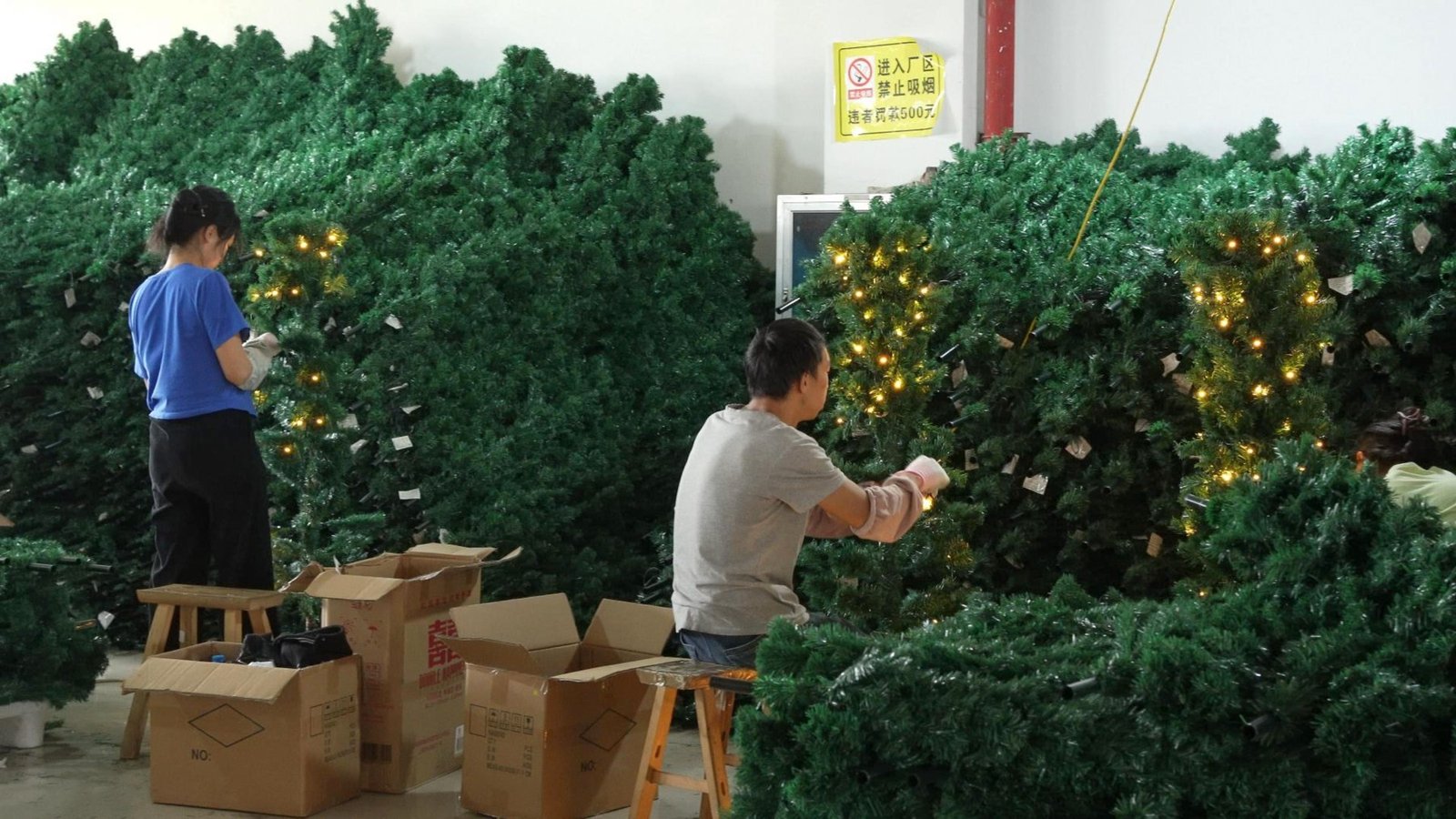
Light positions and wiring follow the selected tree and light configuration.

The snow finish is applied to the assembled tree for designs that specify flocking.
These factory images show individual work areas. We can discuss the process details relevant to your chosen product during a production review or visit.
Watch the foliage strip moving through the processing rollers.
See the branch fed into the cutting workstation.
See branches combined at the horizontal binding workstation.
The approved sample, specification and order quantities provide the reference for material preparation and assembly. Electrical components, accessories and packaging also need the right version, especially when one order includes several heights or lighting options.
| Component group | Details carried into production |
|---|---|
| Foliage & structure | Material mix, tip shape, colour, height, sections and stand |
| Lights & controls | Light colour, light set, modes, connections, controller and power supply |
| Finish & accessories | Flocking or white finish, decoration placement and accessory list |
| Packaging & labels | Artwork version, instructions, barcode and carton marks for each variant |
If a component or specification changes, its effect on the sample, assembly, documentation and packaging should be reviewed before that change is used in production.

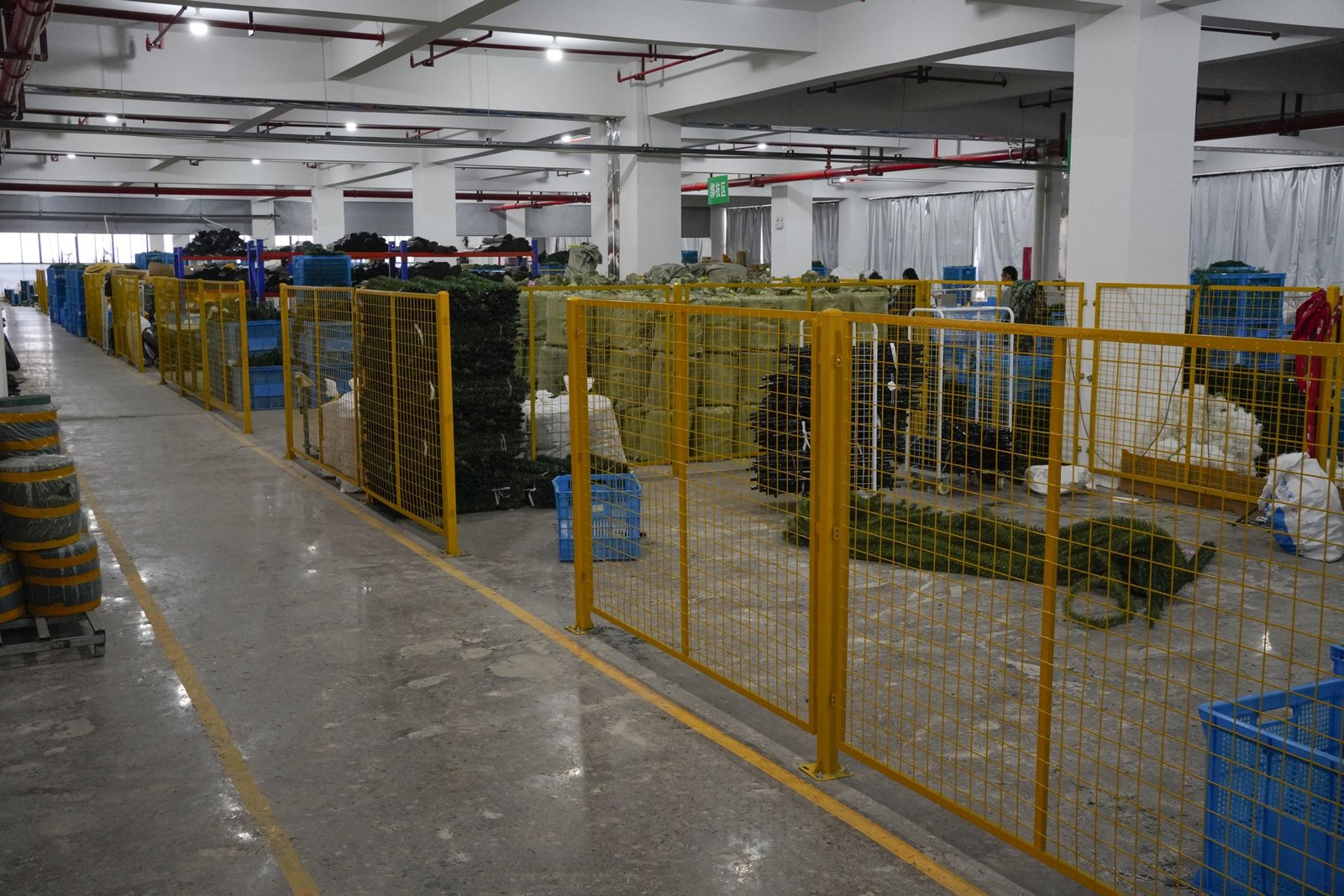
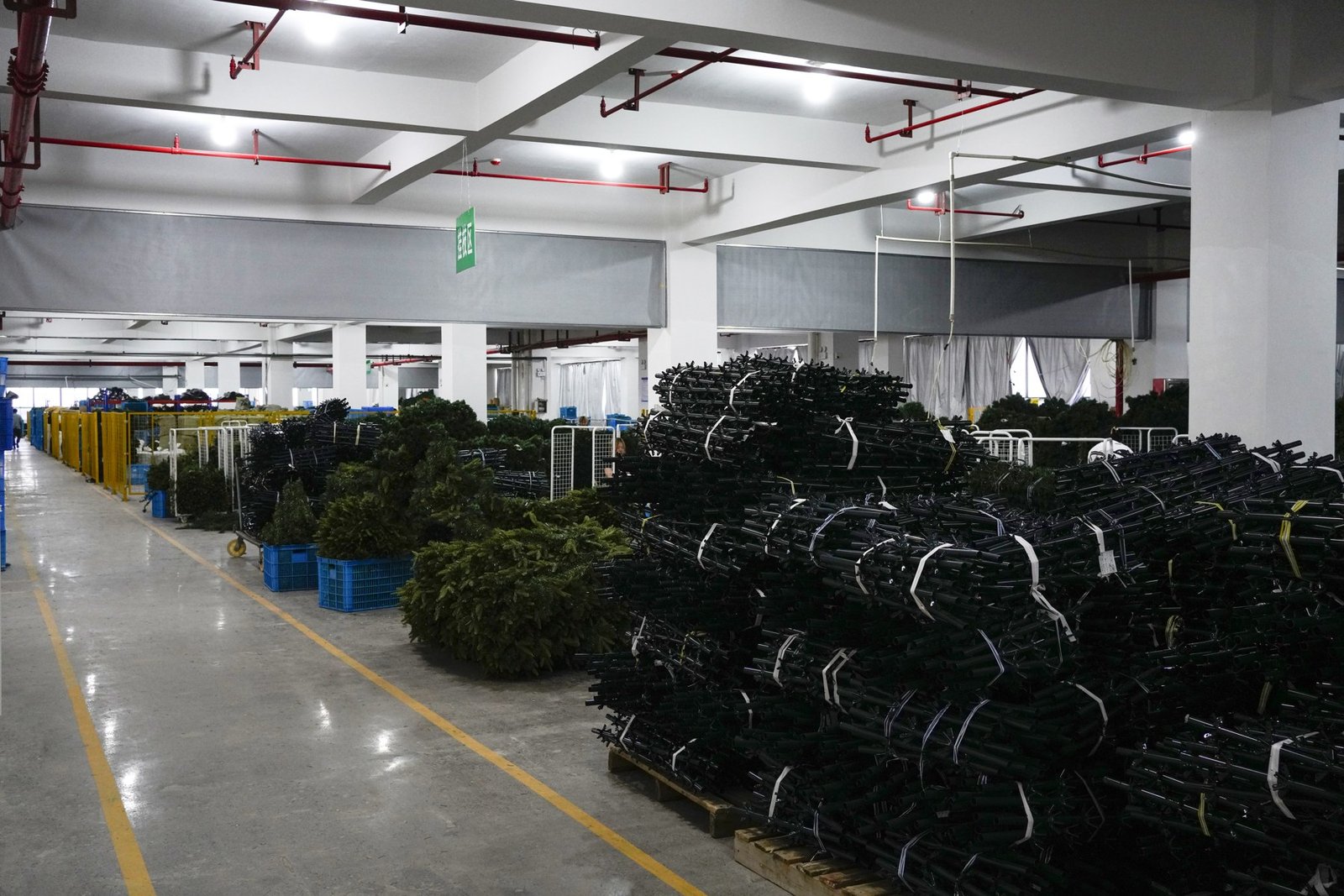
Foliage, light sets, power supplies, stands, decorations and packaging are checked against the incoming material requirements.
Branch work, assembly, finish and lighting stages are reviewed for deviations. Findings need the affected product or batch and the follow-up action.
Dimensions, appearance, lighting functions, accessories and instructions are compared with the approved sample and order requirements.
Carton marks, quantity, weights, packing lists and loading information are reconciled for the shipment.
For lit trees, function checks focus on the selected light colour, modes, connections and controls. Inspection quantities, acceptance criteria and any third-party inspection are agreed for the order. If a deviation is found, the affected scope, corrective work and reinspection result need to be reviewed before release.
Compliance review works best when it starts with the destination market and actual configuration. Available records and any additional testing are considered for that scope; component documents are not a blanket certification of every complete tree.
Factory audit information relates to a named production site. The applicable site and disclosure scope are reviewed for the buyer’s supplier assessment.
Lighting, power and material documents need to match the component supplier, model and configuration selected for the order.
When a project requires a specific test, the market, product configuration, test scope and sample need to be identified before arrangements are made.
Develop a coherent collection across heights, finishes and light options, with product presentation and packaging aligned to your channel.
Plan quantities by configuration and review component, labelling, inspection and shipment requirements for the destination market.
Compare available samples and variants, then align the assortment, specifications and timing for the order.
An in-person or video visit can focus on the processes that matter to your tree programme. Tell us the product types, materials, structure and lighting you want to review so the relevant work areas and samples can be discussed in advance.
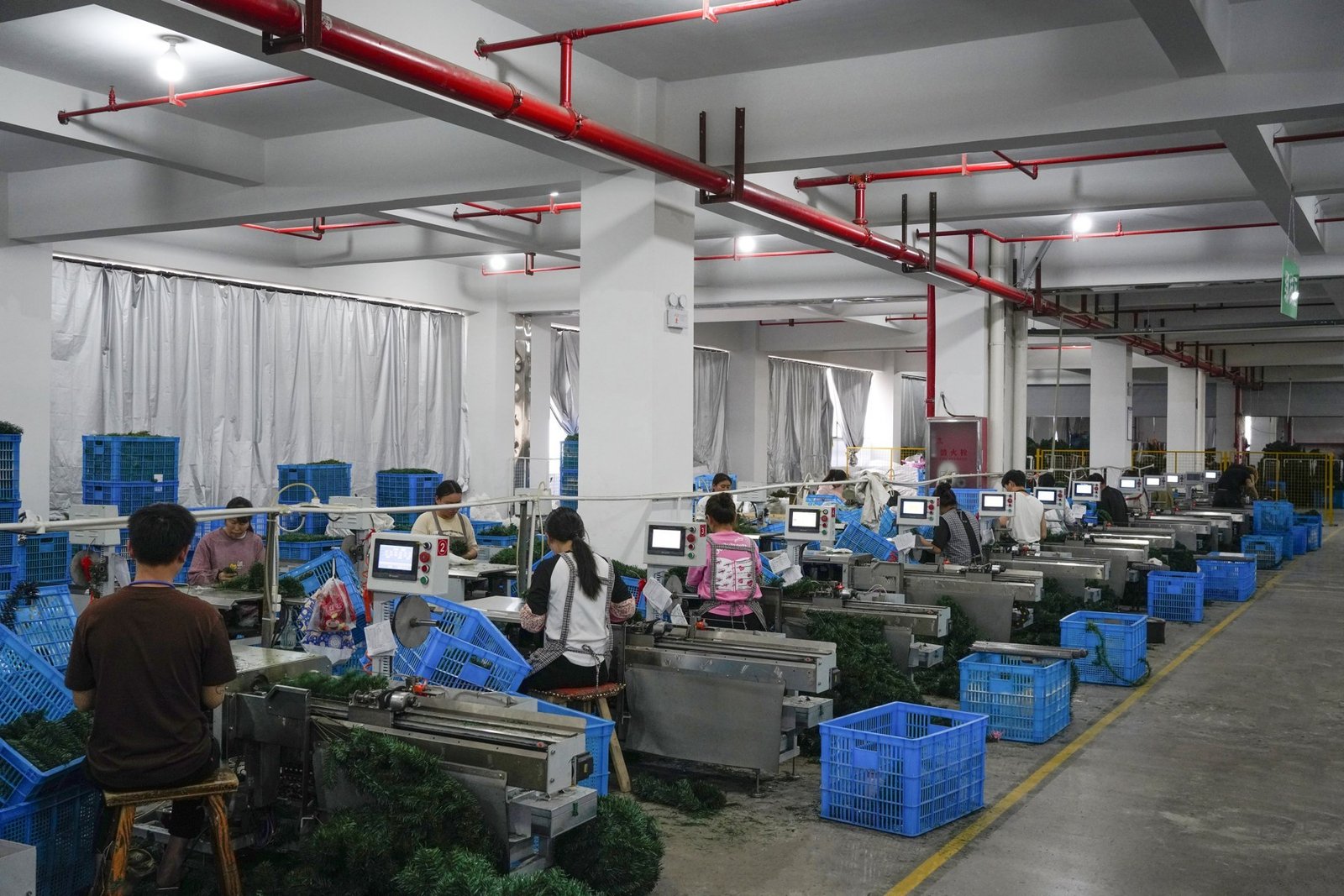
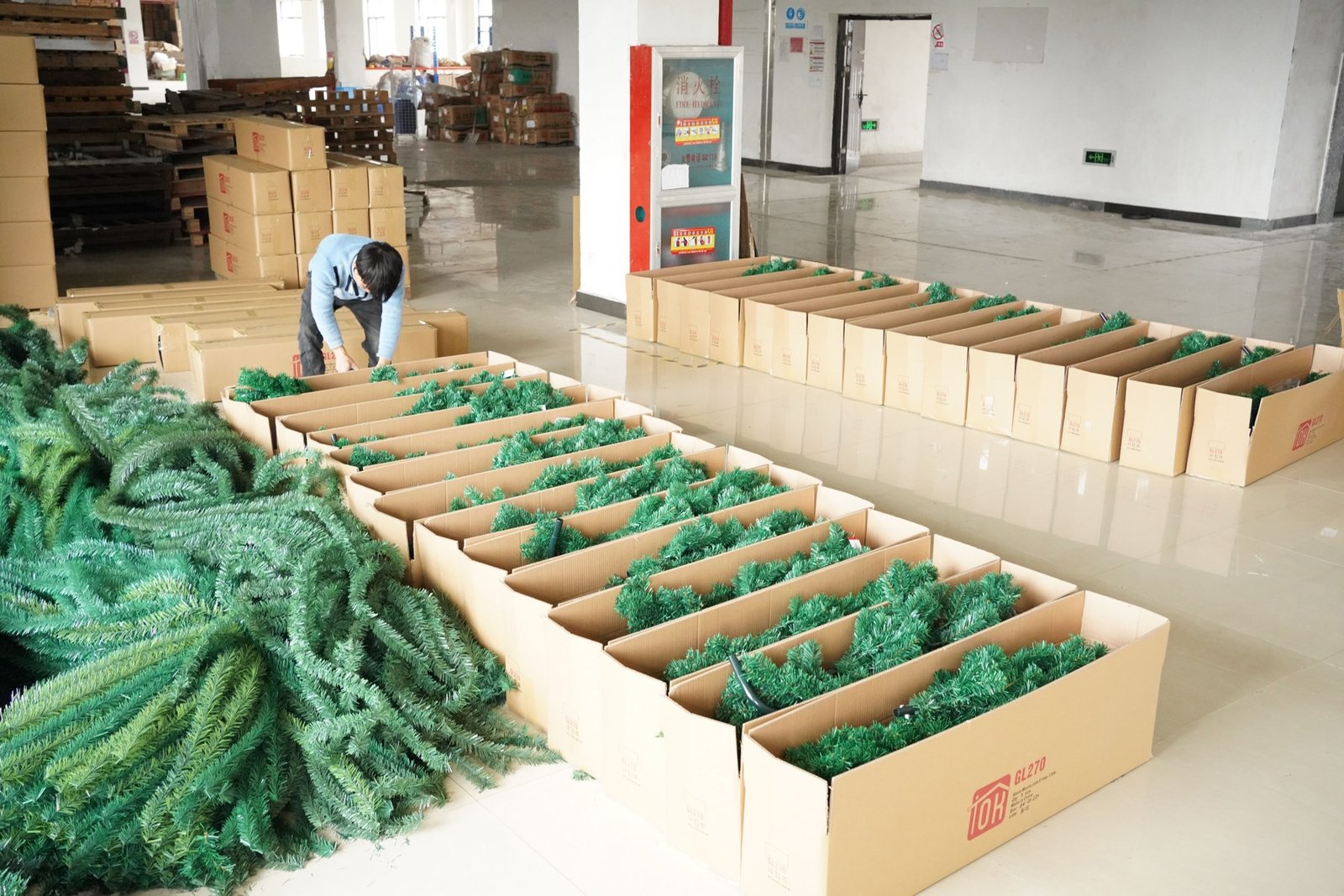
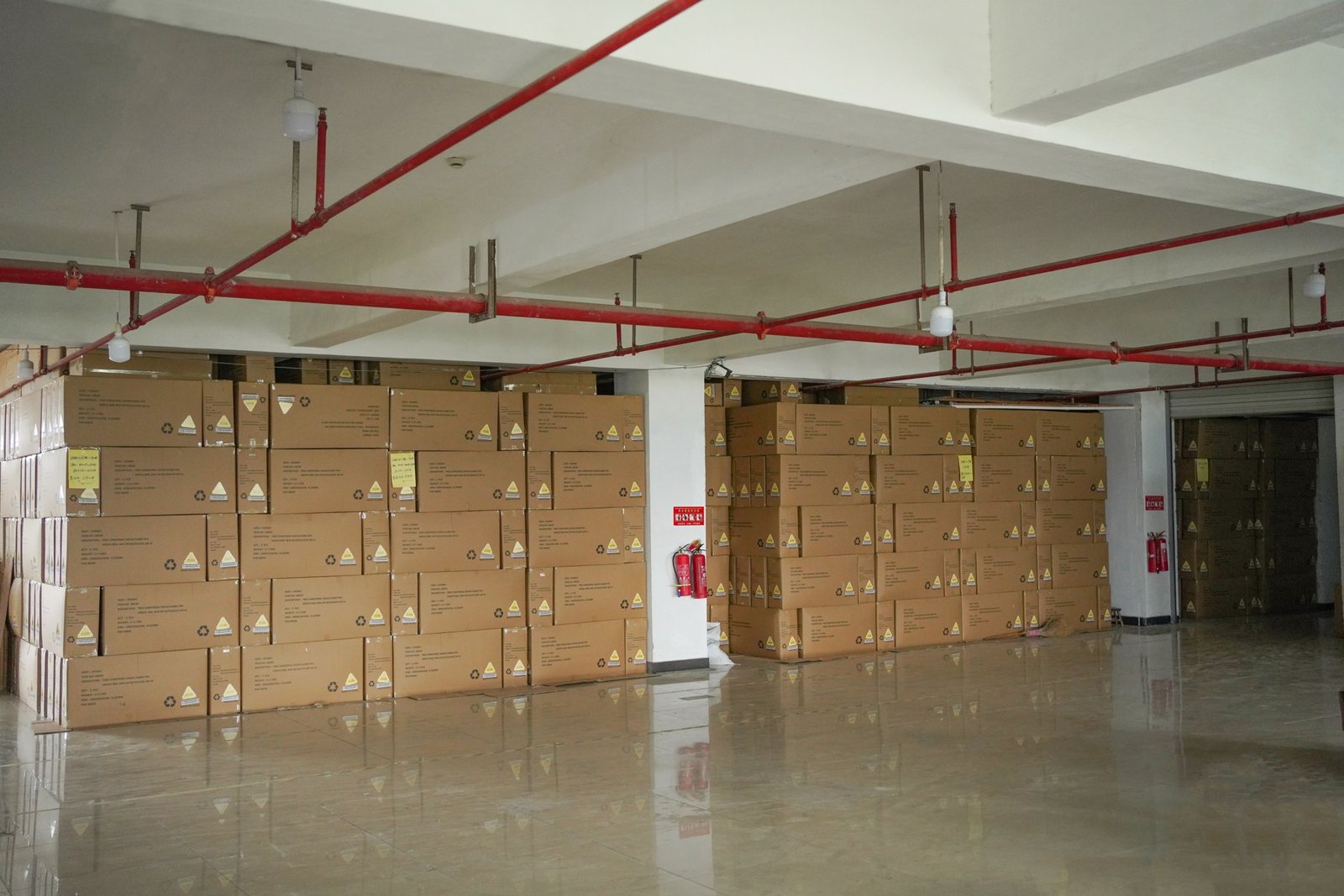
Tree sections, stand, decorations and electrical accessories need a packing arrangement suited to the product. Flocked finishes and attached ornaments can require different protection and unpacking checks.
Instructions, barcodes, labels and carton marks should use the approved version for each variant. Carton size, weight and quantities are established for the actual packed product.
Finished production, inspection, packing and loading are separate milestones. Shipment quantities and documents are reviewed with the agreed shipping arrangement; overseas arrival also depends on transport and destination handling.
Align the reference product, quantities, commercial details and customer decisions.
Carry the agreed specification into material preparation, component matching and the production plan.
Review the inspection requirements, unresolved differences, packing information and release arrangements.
When a change affects the material, light set, finish, packaging or schedule, the updated requirement needs to reach the relevant people. The agreed version should remain clear from customer confirmation to production and shipment.
A reference image or model, market, approximate sizes and quantities are enough to start the discussion.
We discuss the product options, sample requirements, quotation basis and items that need a decision.
Final specifications, sample approval, packaging, inspection and order terms are aligned before the agreed production process begins.
Tell us what you want to make and where it will be sold. We can discuss the product configuration, sample and manufacturing requirements for your project.
Discuss Your Manufacturing Project